Author: Satyam Kapoor

  • GLP-1 Medications vs Bariatric Surgery: Which Is Right for Weight Loss in India?

    GLP-1 Medications vs Bariatric Surgery: Which Is Right for Weight Loss in India?

    Introduction

    Obesity has become one of the fastest-growing health concerns in India, contributing to diabetes, hypertension, fatty liver disease, and heart problems. For individuals struggling with excess weight, two modern treatment approaches have gained attention: GLP-1 receptor agonist medications (like semaglutide) and bariatric surgery.

    While both methods can achieve significant weight reduction, they differ in approach, cost, risks, and long-term outcomes. This blog compares these options to help patients and families make informed decisions.


    What Are GLP-1 Medications?

    GLP-1 (Glucagon-Like Peptide-1) receptor agonists are a new class of injectable medications originally developed for type 2 diabetes. Drugs like semaglutide mimic natural gut hormones that:

    • Reduce appetite and food cravings
    • Slow stomach emptying
    • Improve blood sugar control

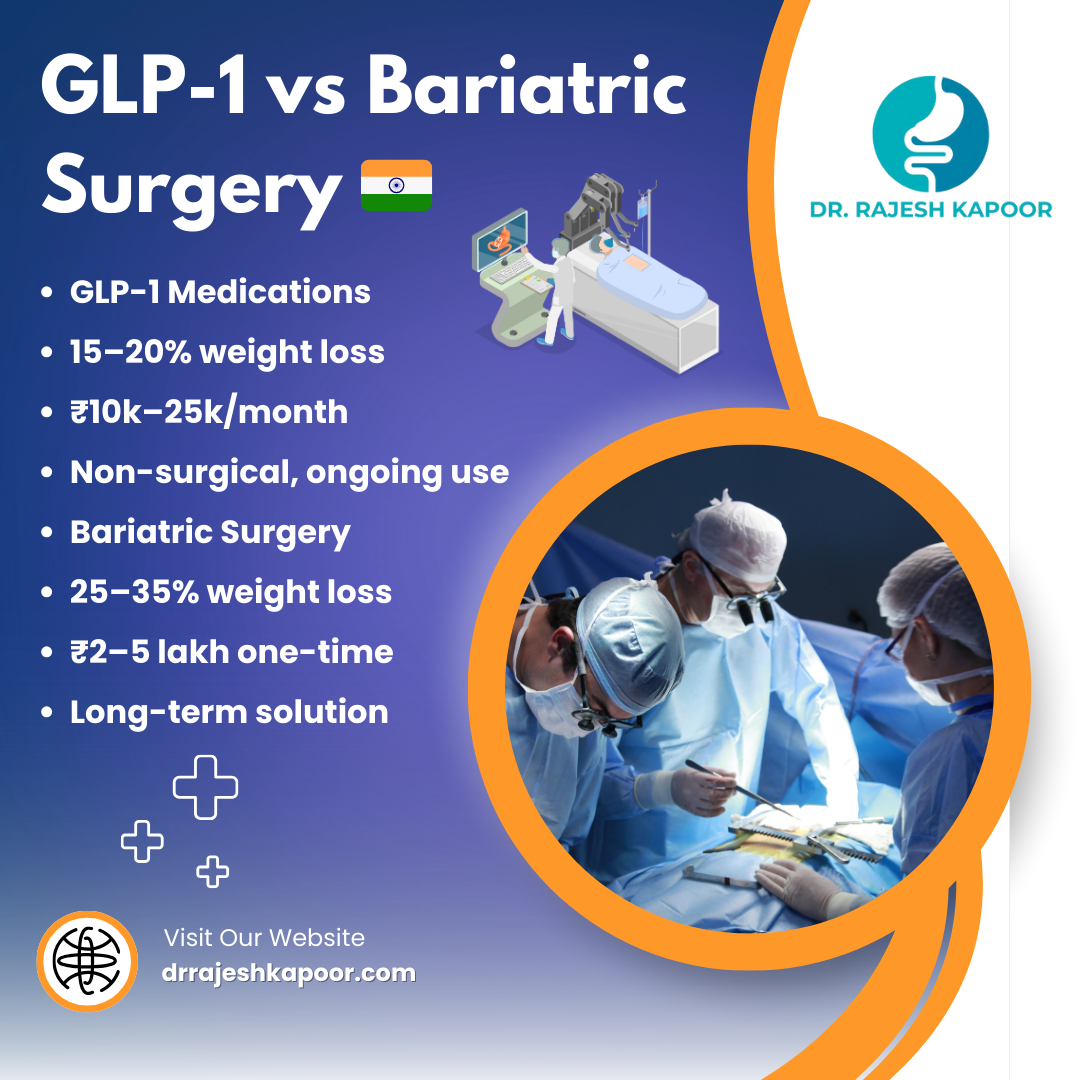
    Recent studies show that GLP-1 drugs can result in 15–20% weight loss when combined with lifestyle changes. They are now being widely prescribed in India’s urban centers, especially for patients with obesity and diabetes.


    What Is Bariatric Surgery?

    Bariatric (weight-loss) surgery includes procedures such as:

    • Sleeve gastrectomy – reducing stomach size
    • Roux-en-Y gastric bypass – altering stomach and intestinal pathways

    These surgeries physically limit food intake and/or change how nutrients are absorbed. Bariatric surgery in India has shown 25–35% sustained weight loss along with remission of conditions like type 2 diabetes, hypertension, and sleep apnea.


    Comparing GLP-1 Medications and Bariatric Surgery

    FactorGLP-1 MedicationsBariatric Surgery
    Effectiveness15–20% weight loss25–35% weight loss
    Onset of ResultsGradual, over monthsFaster, within weeks
    InvasivenessNon-surgical, injectionsSurgical procedure
    Side EffectsNausea, vomiting, cost burdenSurgical risks, recovery time
    Long-TermContinuous use needed, weight regain possible if stoppedMore permanent, but some patients still need GLP-1 after surgery (~14% in studies)
    Cost in India₹10,000–25,000/month (depending on brand and dose)₹2–5 lakh one-time (depending on hospital/city)

    Pros and Cons

    Advantages of GLP-1 Medications:

    • Non-surgical, no hospitalization
    • Helpful for patients unfit for surgery
    • Improves blood sugar, cholesterol, and cardiovascular health
    • Easier to start and stop

    Limitations of GLP-1 Medications:

    • High ongoing cost in India
    • Side effects (nausea, digestive issues)
    • Weight may return if stopped

    Advantages of Bariatric Surgery:

    • Greater and sustained weight loss
    • Can reverse diabetes, fatty liver, and hypertension
    • One-time investment vs lifelong medication

    Limitations of Bariatric Surgery:

    • Requires surgery and recovery
    • Risk of complications (though rare in expert hands)
    • Need for lifelong vitamin and mineral supplements

    Which Patients Benefit More?

    • GLP-1 Medications may be better for:
      • Overweight/obese patients not yet candidates for surgery
      • Individuals with mild-to-moderate obesity (BMI 27–35)
      • Patients who prefer non-surgical treatment or want to trial medical therapy
    • Bariatric Surgery may be better for:
      • Severe obesity (BMI > 40, or > 35 with comorbidities)
      • Patients with uncontrolled diabetes despite medications
      • Those who have tried and failed lifestyle or medical treatments

    Indian Perspective

    In India, affordability is a major factor. While urban patients are increasingly trying GLP-1 drugs, the monthly cost is often prohibitive. Bariatric surgery, though costlier upfront, may be more cost-effective long-term.

    Moreover, Indian patients often present with diabetes at lower BMI levels compared to Western populations, making both GLP-1 drugs and surgery important tools in the fight against obesity and metabolic syndrome.


    Conclusion

    Both GLP-1 medications and bariatric surgery offer effective weight-loss solutions, but the “right” choice depends on individual health, affordability, and lifestyle goals. Patients in India should consult a gastroenterologist or bariatric surgeon to personalize their treatment plan.

    In many cases, these approaches are not competitors but complements—some patients may start with GLP-1 drugs and later undergo surgery, while others may use medications even after surgery to maintain weight loss.

    Contact Us
  • Critical GI Interventions: Immediate Care for Complex Digestive Conditions

    Critical GI Interventions: Immediate Care for Complex Digestive Conditions

    Digestive health plays a vital role in overall well-being. In India, gastrointestinal (GI) problems are becoming increasingly common due to lifestyle changes, irregular eating habits, stress, and lack of timely medical attention. While many digestive issues such as acidity, constipation, or indigestion can be managed with routine care, some conditions require urgent attention and immediate medical intervention. These are called critical gastrointestinal (GI) interventions, and they can often be lifesaving.

    This blog explores the importance of timely interventions for complex digestive conditions, what patients in India need to know, and how modern medical technology is improving outcomes.


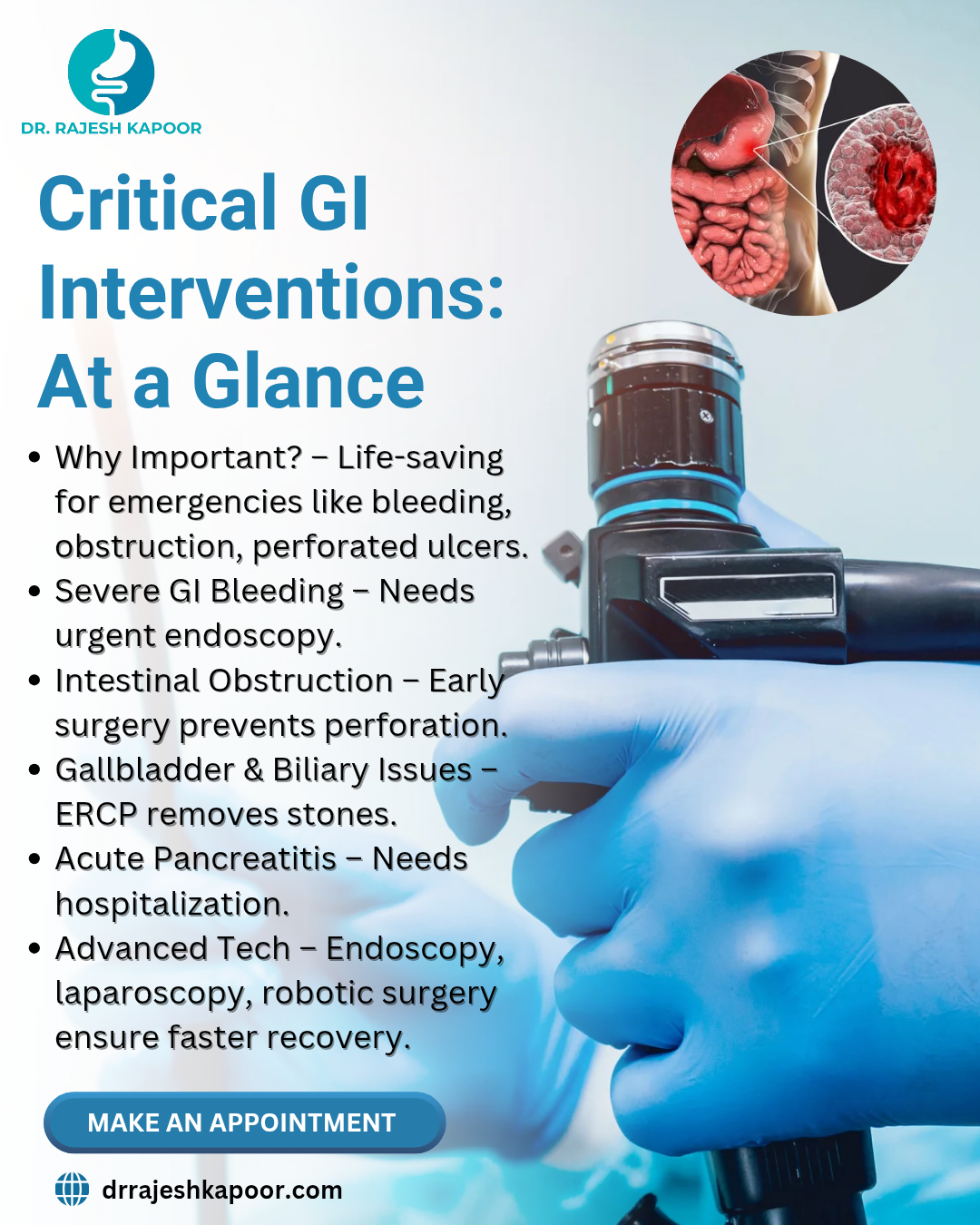
    Why Critical GI Interventions Matter

    The digestive system is complex, involving organs such as the stomach, intestines, pancreas, liver, and gallbladder. A minor disturbance in any of these can affect the entire system.

    However, when conditions like gastrointestinal bleeding, intestinal obstruction, perforated ulcers, or severe pancreatitis occur, the situation becomes critical. Without immediate care, these conditions can lead to complications such as internal infections, organ damage, or even life-threatening emergencies.

    For Indian patients, timely diagnosis and intervention are essential, especially since many delay seeking medical help due to stigma, lack of awareness, or dependence on home remedies.


    Common Situations Requiring Immediate GI Interventions

    1. Severe GI Bleeding

    GI bleeding may occur due to ulcers, varices, or colorectal cancer. Symptoms include vomiting blood, black stools, or dizziness. Endoscopic procedures can help control bleeding quickly.

    2. Intestinal Obstruction

    Often caused by hernias, adhesions, or tumors, intestinal obstruction leads to severe abdominal pain, bloating, and vomiting. Early surgical intervention prevents complications like bowel perforation.

    3. Gallbladder and Biliary Emergencies

    Gallstones and bile duct blockages are common in India, especially due to high-fat diets. Emergency endoscopic retrograde cholangiopancreatography (ERCP) helps remove stones and relieve blockages.

    4. Acute Pancreatitis

    This painful condition is often linked with gallstones or alcohol use. In severe cases, it requires hospitalization, IV fluids, and sometimes surgical or endoscopic intervention.

    5. Perforated Ulcers

    Peptic ulcers, often due to H. pylori infection or excessive painkiller use, can cause perforation in the stomach lining. Immediate surgery is crucial to avoid peritonitis and sepsis.


    Advanced Medical Technologies in GI Interventions

    Thanks to advances in medical science, many critical GI procedures are now minimally invasive, ensuring quicker recovery and less post-operative discomfort. Some of the key techniques include:

    • Endoscopy & Colonoscopy – For diagnosis and therapeutic procedures like bleeding control or polyp removal.
    • Laparoscopic Surgery – Minimally invasive surgery for gallbladder removal, hernia repair, and bowel obstructions.
    • Robotic-Assisted Surgery – Increasingly available in leading Indian hospitals, it provides high precision in complex digestive surgeries.
    • ERCP & EUS (Endoscopic Ultrasound) – Used for biliary and pancreatic interventions.

    Indian Context: Challenges & Awareness

    In India, GI emergencies often get complicated because:

    • Patients self-medicate for too long.
    • Access to advanced care is limited in rural areas.
    • Many avoid diagnostic tests due to cost concerns.

    Awareness campaigns are essential to educate people that timely medical attention saves lives. Hospitals in metro cities like Delhi, Mumbai, and Bengaluru now offer 24/7 gastroenterology emergency care, but outreach to smaller towns is equally important.


    When to Seek Immediate Help

    If you or a family member experiences:

    • Severe abdominal pain not relieved by medicines
    • Blood in vomit or stool
    • Sudden bloating and inability to pass stool/gas
    • Unexplained weight loss with digestive issues

    👉 Do not delay — consult a gastroenterologist immediately. Early intervention can mean the difference between a manageable condition and a medical emergency.


    Conclusion

    Critical GI interventions are lifesaving measures designed to manage complex digestive conditions. With the right mix of awareness, timely diagnosis, and advanced medical technologies, Indian patients can receive effective treatment and avoid dangerous complications. Always remember: your digestive health is central to your overall health — don’t ignore the warning signs.

    Contact Us
  • When to Consider Esophagus Surgery: Signs You Shouldn’t Ignore

    When to Consider Esophagus Surgery: Signs You Shouldn’t Ignore

    The esophagus plays a vital role in our digestive system, helping food pass smoothly from the mouth to the stomach. But when problems arise—whether due to long-term acid reflux, swallowing difficulties, or other medical conditions—surgery may become necessary. For many patients in India, deciding if and when to consider esophagus surgery can feel overwhelming. Understanding the warning signs, treatment options, and recovery expectations can help you make informed health decisions.


    What is Esophagus Surgery?

    Esophagus surgery refers to different medical procedures performed to correct structural, functional, or disease-related issues of the esophagus. Common reasons include:

    • Esophageal cancer – Surgery may involve removing part or all of the esophagus (esophagectomy).
    • Severe gastroesophageal reflux disease (GERD) – When medications no longer work, surgical intervention like fundoplication may be advised.
    • Achalasia – A condition where the esophagus muscles don’t relax, making swallowing difficult. Surgery such as Heller myotomy can help.
    • Hiatal hernia complications – Large hernias causing reflux or breathing problems may need surgical repair.

    Signs You Shouldn’t Ignore

    Not every patient with acid reflux or swallowing difficulty requires surgery, but there are certain signs that mean it’s time to consult a gastroenterologist or surgeon.

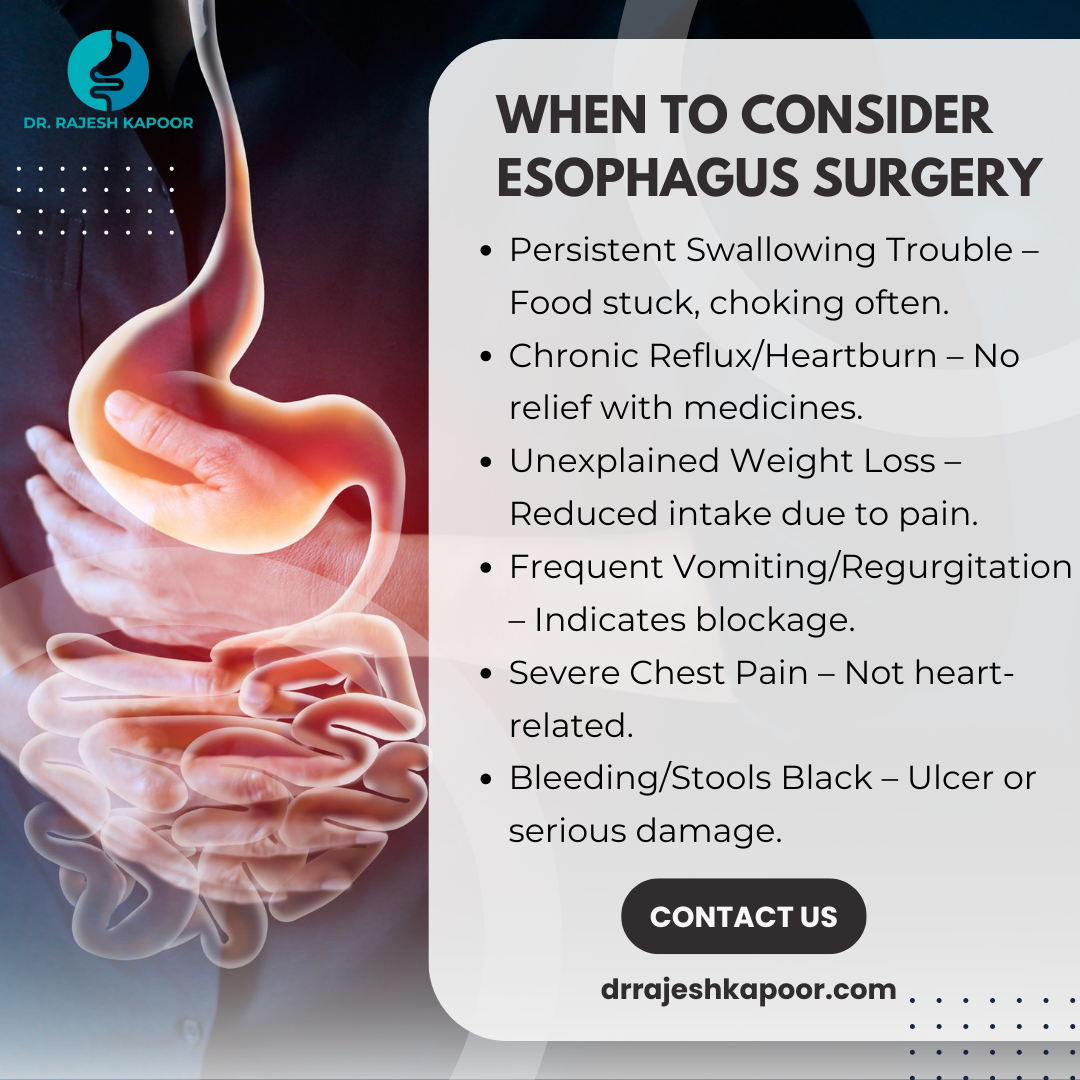
    1. Persistent Swallowing Problems (Dysphagia)
      • If food often feels stuck in your throat or chest, or you experience frequent choking, it may be a sign of a serious esophageal condition.
    2. Chronic Acid Reflux and Heartburn
      • In India, spicy and oily diets often trigger reflux. If medications like proton pump inhibitors (PPIs) do not provide long-term relief, surgery may be an option.
    3. Unexplained Weight Loss
      • Difficulty in swallowing can lead to reduced food intake and sudden weight loss, which is a red flag.
    4. Frequent Vomiting or Regurgitation
      • Constant vomiting or food coming back up after eating could indicate esophageal blockage or motility disorders.
    5. Severe Chest Pain Not Related to Heart
      • If cardiac issues are ruled out and pain persists with swallowing or reflux, surgical evaluation may be necessary.
    6. Bleeding or Black-Colored Stools
      • Long-term reflux can cause ulcers and bleeding. This should never be ignored.

    Common Esophagus Surgeries in India

    1. Esophagectomy – Removal of cancerous or severely damaged parts of the esophagus.
    2. Fundoplication – Wrapping the top of the stomach around the esophagus to reduce reflux.
    3. Heller Myotomy – Cutting the muscles at the lower end of the esophagus to ease swallowing.
    4. Hiatal Hernia Repair – Strengthening the diaphragm opening to prevent reflux.

    Preparing for Surgery

    • Medical Evaluation – Endoscopy, CT scans, or barium swallow tests help diagnose severity.
    • Lifestyle Adjustments – Stop smoking and reduce alcohol intake, both of which worsen esophageal issues.
    • Nutritional Counseling – Indian diets rich in spices may need modification before and after surgery.

    Recovery After Esophagus Surgery

    Recovery varies depending on the procedure. In India, most patients stay in the hospital for 5–10 days after major esophageal surgery. A soft or liquid diet is often recommended initially. Gradual recovery includes:

    • Regular follow-ups with the surgeon.
    • Eating smaller, more frequent meals.
    • Avoiding tobacco, alcohol, and spicy/oily foods.
    • Practicing breathing exercises for better lung recovery (especially after esophagectomy).

    Why Early Diagnosis Matters

    Delaying consultation can make conditions worse. For example, untreated acid reflux can lead to Barrett’s esophagus—a precancerous condition. Similarly, untreated achalasia can permanently damage the esophagus. Early diagnosis ensures better outcomes and simpler surgical interventions.


    Indian Context: Why Awareness is Low

    In India, many people ignore reflux or swallowing difficulties, assuming they are minor issues linked to diet or stress. Self-medication with antacids is common. However, awareness about the need for timely surgical evaluation remains low. Increasing education on these symptoms can save lives and prevent complications.


    Conclusion

    Esophagus surgery is not the first line of treatment, but when medications and lifestyle changes fail—or when serious conditions like cancer, achalasia, or severe GERD arise—it can be life-saving. If you experience persistent swallowing problems, unexplained weight loss, or chronic reflux unresponsive to medicines, consult a gastroenterologist or surgeon immediately.

    Your health is too important to ignore.

  • Bariatric Surgery: A Life-Changing Solution for Obesity and Related Health Issues

    Bariatric Surgery: A Life-Changing Solution for Obesity and Related Health Issues

    Introduction

    In recent years, India has witnessed a rapid rise in obesity, especially in urban areas. With changing lifestyles, fast food culture, and reduced physical activity, obesity has become one of the most pressing health concerns. Beyond physical appearance, obesity is directly linked to life-threatening conditions like type 2 diabetes, hypertension, heart disease, sleep apnea, and even certain cancers.

    When lifestyle changes and medical treatments fail, bariatric surgery has emerged as a safe and effective long-term solution. Globally recognized and increasingly popular in India, this surgery offers not just weight loss but also a healthier, more fulfilling life.


    What is Bariatric Surgery?

    Bariatric surgery refers to medical procedures that help individuals lose weight by altering the digestive system. It works by:

    • Restricting food intake (limiting the size of the stomach).
    • Reducing nutrient absorption (bypassing part of the small intestine).
    • Altering gut hormones to control appetite and metabolism.

    The most common types of bariatric surgeries in India include:

    • Gastric Bypass Surgery
    • Sleeve Gastrectomy
    • Adjustable Gastric Banding
    • Biliopancreatic Diversion

    These surgeries are performed by specialized bariatric surgeons in accredited hospitals.


    Why is Obesity a Rising Problem in India?

    India is currently among the top five countries with the highest number of obese people. Factors contributing to this trend include:

    • Sedentary lifestyle: Long working hours, lack of physical activity, and increased screen time.
    • Dietary habits: Excessive consumption of fried foods, sugary drinks, and refined carbohydrates.
    • Genetics & metabolism: Many Indians have a natural tendency to store fat around the abdomen.
    • Stress & poor sleep: Both play a role in weight gain and hormonal imbalance.

    Obesity is no longer limited to middle-aged adults. Alarmingly, children and young adults in urban India are increasingly at risk.


    Health Issues Linked with Obesity

    Obesity is not just about extra weight. It is the root cause of several chronic health conditions, such as:

    • Type 2 diabetes
    • High blood pressure
    • Heart disease and stroke
    • Osteoarthritis and joint pain
    • Infertility and hormonal disorders
    • Obstructive sleep apnea
    • Liver disease (Fatty liver and cirrhosis)

    These conditions not only reduce life expectancy but also severely impact quality of life.


    How Bariatric Surgery Helps

    Bariatric surgery is not a cosmetic procedure; it is a medical intervention that can transform lives. Here’s how it helps:

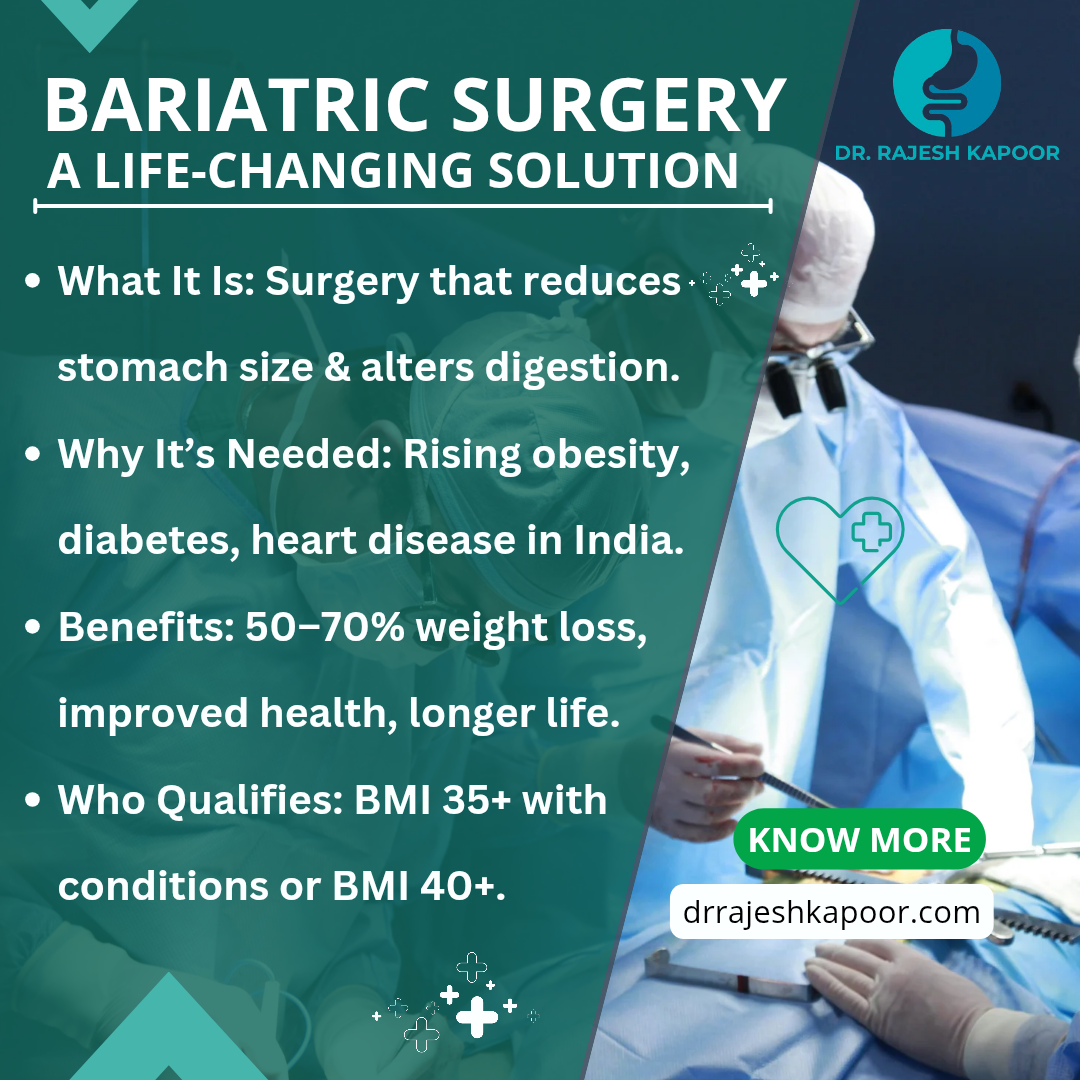
    Significant weight loss: Patients often lose 50–70% of excess weight within 1–2 years.
    Improved diabetes management: Many patients experience remission of type 2 diabetes.
    Better heart health: Reduction in cholesterol, triglycerides, and blood pressure.
    Improved mobility & joint health: Less pressure on knees and spine.
    Better mental health: Increased confidence, reduced depression and anxiety.
    Longer, healthier life: Lower risk of premature death due to obesity-related conditions.


    Bariatric Surgery in India

    India has become a hub for bariatric surgery, offering world-class facilities at relatively affordable costs compared to Western countries. Many leading hospitals in metro cities like Delhi, Mumbai, Bangalore, and Chennai have specialized bariatric centers.

    The average cost of bariatric surgery in India ranges between ₹2.5 lakh to ₹5 lakh, depending on the hospital, city, and type of surgery. Some health insurance policies also cover bariatric surgery, especially if it is recommended for obesity-related health conditions.


    Who Can Consider Bariatric Surgery?

    Bariatric surgery is generally recommended for:

    • Individuals with BMI above 40.
    • Individuals with BMI above 35 with health problems like diabetes, hypertension, or sleep apnea.
    • People who have tried diet, exercise, and medications without long-term success.

    It is important to undergo proper evaluation and consultation with a certified bariatric surgeon before making a decision.


    Life After Bariatric Surgery

    While bariatric surgery is highly effective, long-term success depends on lifestyle changes. After surgery, patients need to:

    • Follow a nutritious, portion-controlled diet.
    • Take vitamin and mineral supplements.
    • Engage in regular exercise.
    • Attend follow-up check-ups with their healthcare provider.

    With discipline and commitment, bariatric surgery can truly be a life-changing journey.


    Conclusion

    Obesity is a growing health crisis in India, but it can be managed. Bariatric surgery offers a powerful solution for those struggling with severe obesity and related health issues. It is not just about losing weight, but about gaining life – a healthier, more energetic, and confident future.

    If you or someone you know is battling obesity, exploring bariatric surgery with a qualified medical expert could be the first step towards a new life.

    Contact Us
  • Lactose Intolerance in Indians: Why Dairy May Be Hurting Your Stomach

    Lactose Intolerance in Indians: Why Dairy May Be Hurting Your Stomach

    Introduction

    Milk and dairy products hold a special place in Indian culture—from a glass of haldi doodh at bedtime to curd rice in South India and lassi in Punjab. Dairy is not only a dietary staple but also linked to traditions, Ayurveda, and daily meals. Yet, for many Indians, consuming milk, paneer, or ice cream leads to bloating, gas, or stomach cramps. This condition, known as lactose intolerance, is far more common than most people realize.

    In this blog, we’ll explore what lactose intolerance is, why it is so prevalent in India, common symptoms, and practical ways to manage it without giving up on health.


    What is Lactose Intolerance?

    Lactose intolerance occurs when the body is unable to fully digest lactose—the natural sugar found in milk and dairy. This happens due to low levels of lactase enzyme in the small intestine, which is needed to break down lactose into simpler sugars for absorption.

    Instead of being digested, lactose ferments in the gut, leading to gas, bloating, acidity, diarrhea, or stomach pain.


    Why Indians Are More Prone to Lactose Intolerance

    1. Genetic Factors
      Globally, over 65% of adults lose the ability to digest lactose after childhood. Studies show that in India, especially in the eastern and southern states, a large percentage of adults are lactose intolerant due to genetic predisposition.
    2. Dietary Habits
      While North India consumes more milk, ghee, paneer, and curd daily, people from other regions rely less on dairy. As a result, many develop reduced lactase activity since the body adapts to lower dairy intake.
    3. Ayurvedic Perspective
      According to Ayurveda, dairy is considered “heavy” and can aggravate digestion if consumed in excess or at the wrong time (e.g., milk with salty food). This explains why many people feel discomfort after dairy-rich meals.
    4. Urban Lifestyle & Processed Dairy
      Today’s packaged milk, flavored yogurts, and cheese spreads often contain additives that may worsen digestive issues. For lactose-intolerant individuals, such products increase bloating and discomfort.

    Symptoms of Lactose Intolerance

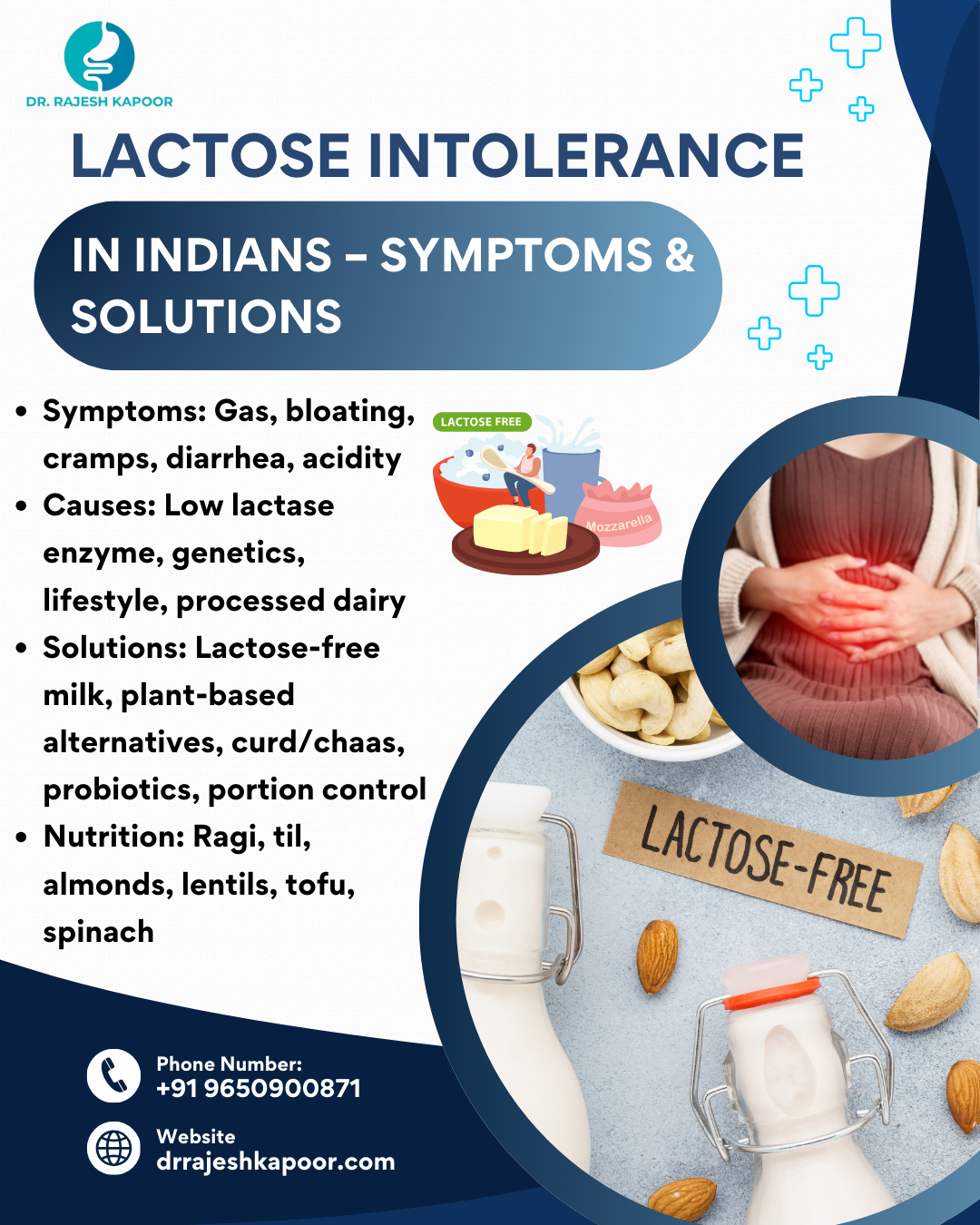
    • Bloating and stomach fullness
    • Excessive gas
    • Abdominal cramps
    • Diarrhea after consuming milk or dairy
    • Nausea or acidity
    • Fatigue after heavy dairy meals

    Symptoms usually appear 30 minutes to 2 hours after eating dairy.


    How to Manage Lactose Intolerance in India

    1. Switch to Lactose-Free Alternatives

    • Lactose-free milk is now widely available in Indian supermarkets.
    • Plant-based options like soy milk, almond milk, oat milk, and coconut milk are becoming popular.

    2. Choose Fermented Dairy

    Curd (dahi), buttermilk (chaas), and ghee are often easier to digest since the lactose content is much lower. Many Indians with mild intolerance can tolerate these.

    3. Mindful Portion Control

    Instead of eliminating dairy completely, consume small quantities. For example, a spoon of curd with meals may not trigger symptoms compared to a large glass of milk.

    4. Use Lactase Supplements

    Lactase enzyme tablets or drops are available, which help digest lactose when taken before dairy-rich meals.

    5. Combine Smartly

    Avoid pairing milk with heavy or spicy foods. Have dairy with simple meals to reduce the digestive load.

    6. Strengthen Gut Health

    Include probiotics like homemade curd, kefir, idli, dosa batter, and fermented pickles to improve digestion and gut bacteria balance.

    7. Consult a Doctor if Severe

    If symptoms are frequent and severe, visit a gastroenterologist. Sometimes, what looks like lactose intolerance may actually be IBS, celiac disease, or dairy allergy, which need proper diagnosis.


    Healthier Calcium & Protein Sources for Indians

    Since dairy is a major source of calcium and protein, people with lactose intolerance must include:

    • Calcium-rich foods: Ragi, sesame seeds (til), almonds, spinach, broccoli.
    • Protein-rich foods: Lentils, chickpeas, soybeans, tofu, eggs, and fish.

    Conclusion

    Lactose intolerance is common in India, yet often ignored or misdiagnosed. If you feel bloated, gassy, or uncomfortable after consuming dairy, it may be your body’s way of saying, “enough.” The good news is, with lactose-free alternatives, portion control, probiotics, and mindful eating, you can manage the condition without compromising nutrition. Remember, a healthy gut leads to a healthier life.

    Contact Us
  • What Makes Dr. Rajesh Kapoor a Trusted Gastroenterologist in Noida?

    What Makes Dr. Rajesh Kapoor a Trusted Gastroenterologist in Noida?

    🩺 What Makes Dr. Rajesh Kapoor a Trusted Gastroenterologist in Noida?

    When it comes to digestive health, finding the right gastroenterologist is crucial. In a city like Noida, where lifestyle-related gastrointestinal (GI) issues are on the rise, Dr. Rajesh Kapoor stands out as a beacon of trust, expertise, and compassionate care.

    With over 25 years of experience, advanced endoscopic training, and a patient-first approach, Dr. Kapoor has earned his reputation not only among patients but also among peers in the medical fraternity. Here’s why Dr. Rajesh Kapoor is considered one of the most trusted gastroenterologists in Noida.


    👨‍⚕️ 1. Impressive Medical Credentials & Training

    Dr. Rajesh Kapoor is a board-certified gastroenterologist with an MBBS, MD (Internal Medicine), and DM (Gastroenterology) from prestigious Indian medical institutions.

    • MBBS & MD: Completed from top-tier government medical colleges
    • M.Ch. (Surgical Gastroenterology): Sanjay Gandhi Post Graduate Institute of Medical Sciences, Lucknow (1993)
    • Advanced Laparoscopic Surgery: Leeds Institute of Minimal Invasive Surgery, U.K. (1997)

    His academic background ensures evidence-based treatment that is aligned with international GI standards.


    🧬 2. Expertise Across All Major Gastrointestinal Disorders

    Dr. Kapoor is known for accurate diagnosis and holistic treatment of a wide range of GI conditions:

    ✅ Acid reflux (GERD)
    ✅ Gastric ulcers & stomach pain
    ✅ Irritable Bowel Syndrome (IBS)
    ✅ Inflammatory Bowel Disease (IBD – Crohn’s, Ulcerative Colitis)
    ✅ Liver disease & hepatitis
    ✅ Pancreatic disorders
    ✅ Gallbladder stones & bile duct obstruction
    ✅ GI cancers
    ✅ Constipation & piles

    He uses a multidisciplinary approach, working closely with dieticians, surgeons, and radiologists for comprehensive patient care.


    🔬 3. Advanced Diagnostic & Endoscopic Procedures

    At his clinic and hospital affiliations, Dr. Kapoor uses state-of-the-art endoscopy and colonoscopy systems for accurate and minimally invasive diagnosis.

    He regularly performs:

    • Gastroscopy to examine the upper digestive tract
    • Colonoscopy for colon cancer screening and IBD diagnosis
    • ERCP to treat bile duct and pancreatic problems
    • Sigmoidoscopy, Capsule Endoscopy, and more

    His endoscopy success rate is among the highest in the region, minimizing discomfort and ensuring accurate early diagnosis.


    💬 4. Patient-Centric Care & High Satisfaction Rate

    What sets Dr. Kapoor apart is his empathy-driven consultation style. Patients often highlight:

    • Sufficient time given to explain medical conditions
    • Transparent discussion of treatment options
    • Focus on lifestyle changes and diet plans
    • Minimal use of medication where possible
    • Follow-up care to prevent recurrence

    With hundreds of 5-star patient reviews and testimonials, his practice emphasizes long-term digestive wellness, not just short-term relief.


    🏥 5. Associated with Reputed Hospitals in Noida

    Dr. Kapoor is affiliated with some of Noida’s leading multi-specialty hospitals, offering patients access to advanced facilities, round-the-clock care, and surgical backup when needed.

    Some of the hospitals include:

    • [Insert Hospital Names Here – e.g., Fortis, Max, etc., if applicable]
    • Equipped with ICU & GI surgery support
    • Smooth insurance processing & in-house diagnostics

    🧑‍💼 6. Real Success Stories

    Here are a few real-world cases that illustrate his impact:

    • Case 1: A 45-year-old patient with chronic bloating and fatigue was diagnosed with Celiac Disease after years of misdiagnosis. With the right dietary protocol and treatment, symptoms resolved in 6 weeks.
    • Case 2: Early-stage colon cancer detected via routine colonoscopy and removed successfully through minimally invasive surgery.
    • Case 3: Teenager with recurrent abdominal pain diagnosed with H. pylori infection and treated without hospitalization.

    These stories demonstrate how Dr. Kapoor’s thorough evaluations and early interventions change lives.


    🌐 7. Strong Online Presence & Teleconsultation Options

    Dr. Kapoor’s patients can easily:

    • Book appointments online
    • Share reports via WhatsApp or patient portal
    • Attend video consultations (especially helpful for elderly or remote patients)
    • Get personalized diet plans and medication follow-ups

    This digital convenience adds another layer of trust and accessibility.


    ✅ Final Thoughts

    Whether you’re dealing with occasional acidity or a chronic GI disorder, trusting your gut health to the right expert is essential. Dr. Rajesh Kapoor’s balanced blend of expertise, compassion, and advanced technology makes him one of the most trusted gastroenterologists in Noida.

    If you’re looking for a GI specialist who puts patients before procedures and outcomes before optics, Dr. Kapoor is a name you can count on.

    Contact Us
  • How Alcohol and Smoking Affect Your Digestive Tract

    How Alcohol and Smoking Affect Your Digestive Tract

    How Alcohol and Smoking Affect Your Digestive Tract

    Think it’s just your lungs or liver at risk? Think again—your gut takes the hit too.


    Your Digestive Tract: More Than Just Digestion

    Your gastrointestinal (GI) tract isn’t just a food pipe—it’s a complex system that handles:

    • Nutrient absorption
    • Immune defense ️
    • Waste elimination
      When you smoke or drink heavily, this finely tuned system starts breaking down.

    Alcohol: Silent Attacker of the Gut

    1️⃣ Irritation of the Stomach Lining (Gastritis)

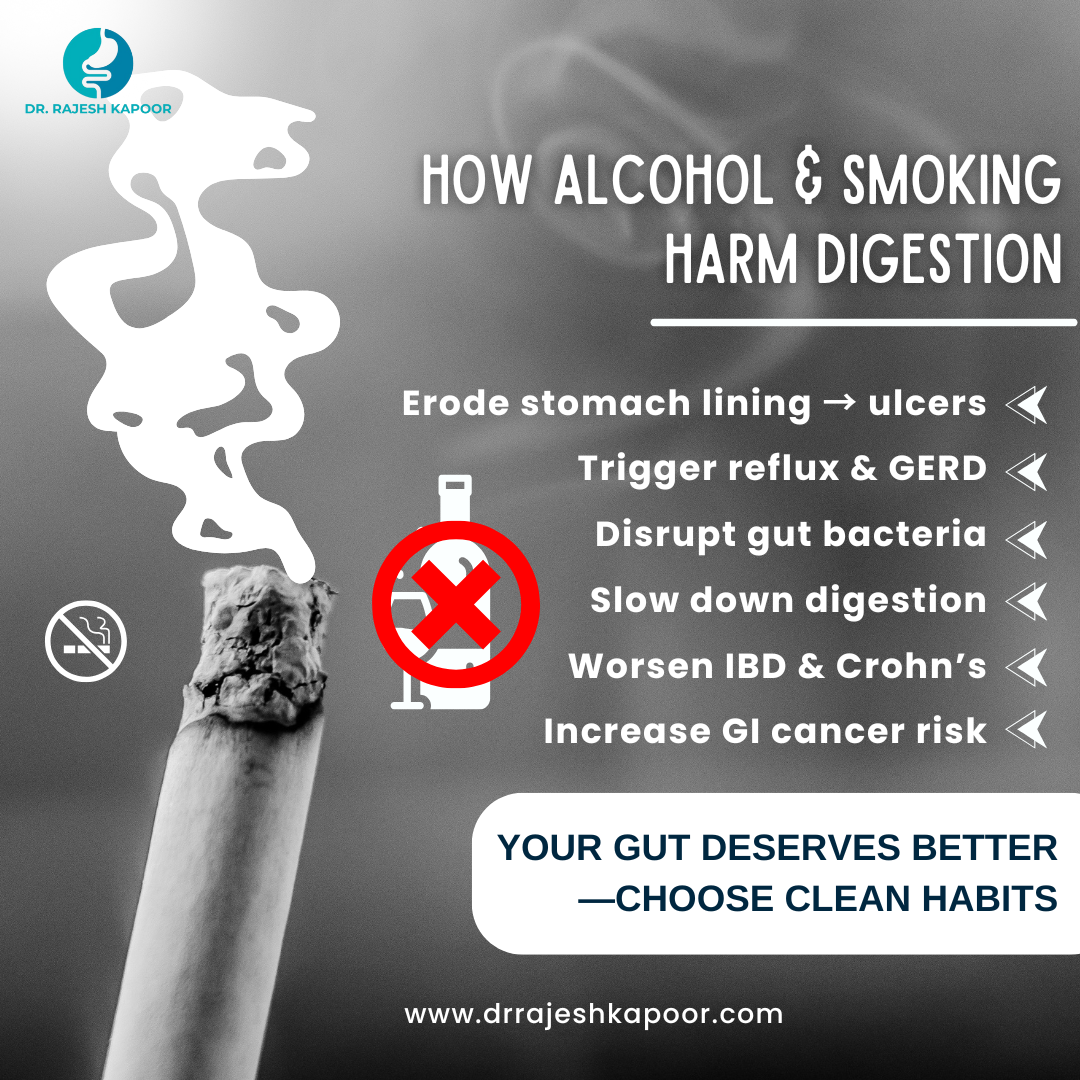
    Alcohol erodes the protective mucus layer in your stomach, leading to inflammation, pain, and even bleeding ulcers.
    Symptoms: Bloating, burning pain, nausea, vomiting blood (in extreme cases)

    2️⃣ Disrupts Gut Flora

    Alcohol kills good bacteria and lets harmful ones grow, leading to:

    • Poor digestion
    • Frequent infections
    • Inflammatory Bowel Disease (IBD) flare-ups

    3️⃣ Pancreatitis Risk

    Chronic alcohol use inflames the pancreas, causing severe abdominal pain, nausea, and digestive enzyme problems.

    4️⃣ Liver-Gut Link

    Fatty liver and cirrhosis disrupt bile flow and digestion. Plus, poor liver function leads to toxin build-up, harming gut health.


    Smoking: A Hidden Digestive Saboteur

    1️⃣ Weakens the Lower Esophageal Sphincter

    This leads to acid reflux (GERD)—that burning in your chest after eating? Smoking makes it worse.

    2️⃣ Delays Stomach Emptying

    Nicotine slows digestion, leading to:

    • Bloating
    • Fullness
    • Discomfort after meals

    3️⃣ Increases Ulcer Risk

    Smokers are twice as likely to develop peptic ulcers, especially when combined with H. pylori infection.

    4️⃣ Worsens Crohn’s Disease

    Smoking worsens symptoms, increases complications, and reduces treatment effectiveness in IBD patients.

    5️⃣ Reduces Blood Flow to Digestive Organs

    Less oxygen = slower healing, more inflammation, and long-term gut damage.


    Long-Term Damage: More Than Just Discomfort

    Without change, chronic alcohol use and smoking can lead to:
    ❗ Esophageal or stomach cancer
    ❗ Pancreatic insufficiency
    ❗ GI bleeding
    ❗ Liver cirrhosis
    ❗ IBS & IBD complications


    ‍⚕️ What a GI Specialist Recommends

    • Limit or eliminate alcohol—especially if you have gastritis, acid reflux, or liver issues
    • Quit smoking—your entire digestive tract (and lungs, heart, and brain) will thank you
    • Eat gut-friendly foods: probiotics, fiber, anti-inflammatory choices
    • Hydrate consistently
    • Get screened if you have chronic symptoms

    Final Thought

    You can’t change yesterday’s habits—but you can protect your gut from today.
    Quitting alcohol and smoking isn’t just good for your heart and lungs—it may literally save your stomach.

    Contact Us
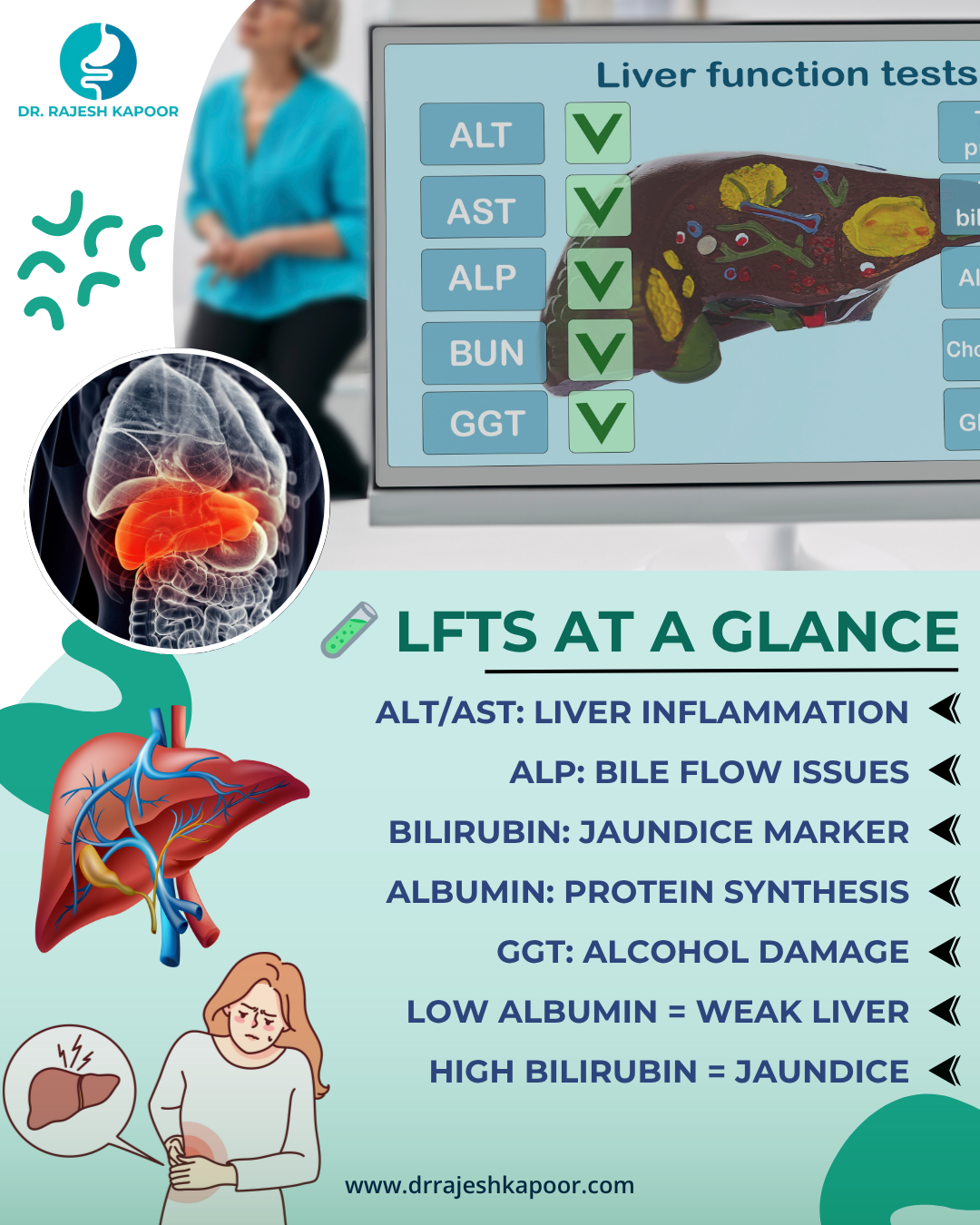
  • Liver Function Tests (LFTs) Explained: What Your Results Mean

    Liver Function Tests (LFTs) Explained: What Your Results Mean

    🧪 Liver Function Tests (LFTs) Explained: What Your Results Mean

    Your liver speaks through numbers—here’s how to understand them 🧠💛


    🧐 Why Are LFTs Important?

    Your liver plays 500+ vital roles—from detoxifying blood to helping with digestion.
    But liver damage is often silent—you won’t know until it’s serious.
    That’s why LFTs (Liver Function Tests) are critical for early diagnosis and monitoring.

    They’re simple blood tests—but they reveal a LOT.


    🧬 What Does an LFT Panel Include?

    An LFT typically checks the following markers:

    1️⃣ ALT (Alanine Aminotransferase)

    • Elevated? Could indicate liver inflammation, hepatitis, or fatty liver.
    • Normal Range: 7–56 U/L

    2️⃣ AST (Aspartate Aminotransferase)

    • Found in liver, heart, and muscles—if high with ALT, suggests liver damage.
    • Normal Range: 10–40 U/L

    3️⃣ ALP (Alkaline Phosphatase)

    • Elevated levels may point to bile duct issues or bone problems.
    • Normal Range: 40–129 U/L

    4️⃣ Bilirubin (Total, Direct & Indirect)

    • High bilirubin = jaundice risk. Can indicate liver or bile duct problems.
    • Normal Total: 0.1–1.2 mg/dL

    5️⃣ Albumin

    • Protein made by liver. Low levels can indicate poor liver function or malnutrition.
    • Normal Range: 3.5–5.0 g/dL

    6️⃣ Total Protein

    • Includes albumin + other proteins. Helps assess liver’s synthetic function.
    • Normal Range: 6.3–7.9 g/dL

    7️⃣ GGT (Gamma-Glutamyl Transferase)

    • Sensitive marker for alcohol-related liver damage.
    • Normal Range: 8–61 U/L (varies)

    ⚠️ What Abnormal LFTs Might Indicate

    🔹 Fatty Liver Disease (NAFLD/NASH)
    🔹 Alcoholic liver disease
    🔹 Hepatitis A, B, C
    🔹 Liver Cirrhosis
    🔹 Gallstones or bile duct obstruction
    🔹 Drug-induced liver injury (including painkillers or antibiotics)
    🔹 Autoimmune liver disorders


    📉 Common Symptoms That Call for an LFT

    • Fatigue or weakness 😴
    • Yellowing of skin/eyes (jaundice) 💛
    • Abdominal swelling or pain 🤕
    • Dark urine or pale stool 🚽
    • Itchy skin 🪶
    • Sudden weight loss 🧍‍♂️⬇️

    If you have any of these—don’t delay the test.


    👨‍⚕️ What Should You Do with Abnormal Results?

    • Don’t panic. LFTs fluctuate based on food, meds, even workouts.
    • Consult a gastroenterologist or hepatologist for interpretation.
    • Follow up with ultrasound, FibroScan, or biopsy if advised.
    • Lifestyle changes can often normalize mild elevations!

    🥗 Lifestyle Tips for a Healthier Liver

    ✅ Eat more fruits, veggies, fiber
    ❌ Avoid alcohol and unnecessary meds
    🏃‍♂️ Exercise regularly
    💧 Stay hydrated
    🧂 Limit salt and sugar
    💊 Take only prescribed supplements or ayurvedic meds—liver injuries are rising due to self-treatment


    🔍 When Should You Get LFTs?

    • If you’re on long-term meds
    • If you drink alcohol regularly
    • If you have diabetes, obesity, or thyroid issues
    • If there’s a family history of liver disease
    • During annual health checkups

    📆 Prevention > Treatment

    Contact Us
  • Top 10 Signs You Should See a Gastroenterologist Immediately

    Top 10 Signs You Should See a Gastroenterologist Immediately

    🧻🚨 Top 10 Signs You Should See a Gastroenterologist Immediately

    Your Gut Talks—Are You Listening? 🩺💬


    🧠 Why Gastro Symptoms Shouldn’t Be Ignored

    Many people shrug off digestive issues as “something I ate” or “just stress.” But persistent or unusual symptoms can signal serious conditions like ulcers, IBD, gallstones, or even cancer.

    If your gut is trying to tell you something—listen early.

    Here are 10 red flags you should never ignore 👇


    1️⃣ Persistent Abdominal Pain 😣

    Pain that lingers for days or comes in waves regularly may indicate ulcers, gallbladder issues, or even pancreatitis.
    👉 If it disrupts daily life or sleep, it’s time to get checked.


    2️⃣ Blood in Your Stool 🩸🚽

    Bright red or dark, tarry stool is never normal. It could indicate:

    • Hemorrhoids
    • Ulcers
    • Colon polyps
    • Even colon cancer

    ⚠️ Seek medical attention ASAP.


    3️⃣ Unexplained Weight Loss ⚖️😨

    Dropping kilos without trying? This could point to:

    • Malabsorption
    • Celiac disease
    • IBD
    • GI cancer

    Don’t celebrate too early—investigate the cause.


    4️⃣ Chronic Diarrhea or Constipation 🚽🔁

    Ongoing irregularity is more than a lifestyle issue. It can indicate:

    • IBS
    • IBD (like Crohn’s or UC)
    • Infections
    • Gut motility disorders

    🧪 A gastroenterologist can help identify the root.


    5️⃣ Frequent Heartburn or Acid Reflux 🔥😵‍💫

    Weekly or daily burning in the chest is not just acidity. It could be GERD, which may lead to:

    • Esophagitis
    • Barrett’s esophagus
    • Cancer, if left unchecked

    💊 Don’t self-medicate forever. Get scoped.


    6️⃣ Difficulty Swallowing (Dysphagia) 🥴🥄

    Trouble with solid foods or even water? Red flag 🚩
    Could indicate:

    • Esophageal stricture
    • Tumors
    • Nerve issues

    An endoscopy is often needed for answers.


    7️⃣ Constant Bloating and Gas 🎈💨

    If you’re bloated after every meal, it may not be “just gas.”
    Possible causes:

    • Food intolerances (like lactose/gluten)
    • SIBO
    • IBS

    🩺 Testing can provide relief.


    8️⃣ Yellowing of Skin or Eyes (Jaundice) 🟡👀

    This could signal a liver or bile duct problem, like:

    • Hepatitis
    • Gallstones
    • Liver disease
    • Pancreatic cancer

    Don’t delay—this needs urgent evaluation.


    9️⃣ Family History of GI Disorders 👨‍👩‍👧‍👦📜

    Have a close relative with:

    • Colon cancer
    • Crohn’s/UC
    • Celiac disease?
      ➡️ You may need early screenings or genetic testing.

    ✅ Prevention is easier than cure.


    🔟 Iron Deficiency or Anemia with No Clear Cause 💉🔎

    If your iron is low without heavy periods or known reasons, your gut might be the thief.

    • Hidden blood loss from ulcers or polyps
    • Malabsorption
    • Celiac disease

    🧪 A colonoscopy or endoscopy can uncover hidden bleeding.


    🏥 When in Doubt—Don’t Wait It Out

    Early detection = faster recovery, fewer complications, lower costs.

    A gastroenterologist isn’t just for severe cases. They help:

    • Get clear answers
    • Personalize treatment
    • Improve your quality of life

    👉 Your gut health is not a guessing game.

    Contact Us
  • Do You Really Need a Detox?

    Do You Really Need a Detox?

    🥬💊 Do You Really Need a Detox?

    A Surgeon’s Take on Popular Gut Cleanses 🧪🚫💚


    🌿 The Detox Craze: What’s Everyone Drinking?

    Everywhere you look—social media, influencers, even health food stores—someone is selling a new way to “cleanse” your gut.

    • Green juices 🍏
    • Activated charcoal shots 🧋
    • Colon cleanses 🚽
    • Herbal pills and teas 🌱
    • 7-day juice fasts 🥤

    They promise to:
    ✅ Flush toxins
    ✅ Boost digestion
    ✅ Cure bloating
    ✅ “Reset” your body

    But…

    ❗ As a GI surgeon, I’ve seen what truly harms the gut — and I can assure you: most of these cleanses are marketing, not medicine.


    🧬 What Does “Detox” Even Mean?

    The word “detox” is often thrown around without scientific backing.
    Truth is, your body already has an incredible detox system:

    • 🧠 Liver – breaks down toxins
    • 🩸 Kidneys – filter the blood
    • 💩 Colon – removes waste naturally
    • 💧 Skin & lungs – help excrete byproducts

    You don’t need fancy powders to “flush” your system. You need supportive habits, not drastic resets.


    🥴 The Real Risks of Gut Detoxes

    Some popular gut cleanses may cause more harm than healing, especially when done unsupervised.

    Common Side Effects:

    • 💩 Severe diarrhea or dehydration
    • 🤢 Nausea & electrolyte imbalance
    • 😵 Fatigue or dizziness
    • 🦠 Disturbance in gut microbiota
    • 🔄 Dependency on laxatives or stimulants

    As a surgeon, I’ve treated patients who developed complications from DIY colon cleanses—like:

    • Rectal bleeding
    • Infections
    • Blocked bowels

    💡 What Your Gut Actually Needs

    Gut health isn’t built in 3 days—it’s built daily.

    Here’s what works (science-backed):

    • 🥗 High-fiber diet (vegetables, fruits, whole grains)
    • 💧 Hydration (2.5–3L water/day)
    • 💤 Quality sleep (7–8 hrs)
    • 🚶‍♀️ Movement (even light exercise supports digestion)
    • 🦠 Fermented foods for microbiome (curd, kefir, pickles)
    • 🚫 Limit alcohol, excess sugar, and ultra-processed foods

    No cleanse can replace consistency.

    A healthy gut isn’t cleaned. It’s nourished.


    🧑‍⚕️ Dr. Kapoor’s Bottom Line

    • ✅ You don’t need expensive detoxes.
    • ❌ You don’t need to starve or “flush” anything.
    • 👩‍⚕️ You do need long-term habits and guidance.
    • 💬 If you’re bloated, irregular, or fatigued, see a doctor—not a detox coach.

    Your gut deserves care. Not punishment in disguise.

    Contact Us