jjk
Laparoscopic and Robotic GI Surgery
Experience minimal downtime and enhanced outcomes with state-of-the-art GI surgical techniques.
Speciality
Laparoscopic and Robotic GI Surgery
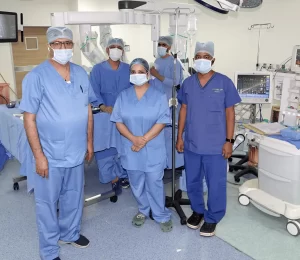
Laparoscopic and robotic GI (gastrointestinal) surgery are advanced, minimally invasive techniques used to treat a wide range of digestive disorders.
These procedures involve small incisions, specialized surgical instruments, and high-definition cameras to perform precise and effective treatments with minimal trauma to the body.
Cutting-Edge Laparoscopic & Robotic Surgery for Faster Recovery
Learn About Our Minimally Invasive Procedures
Facebook
Instagram
Youtube
Conditions Treated with Laparoscopic & Robotic GI Surgery
– Gastroesophageal Reflux Disease (GERD)
– Hiatal Hernia
– Gallbladder Diseases
– Colorectal Disorders
– Appendicitis
– Hernias (Inguinal, Umbilical, Incisional)
– Liver & Pancreatic Surgery
– Obesity & Metabolic Disorders
Types of Available Laparoscopic & Robotic GI Surgeries
– Laparoscopic/Robotic Cholecystectomy
– Laparoscopic/Robotic Hernia Repair
– Laparoscopic/Robotic Colectomy
– Robotic-Assisted Colorectal Surgery
– Laparoscopic/Robotic Fundoplication
– Laparoscopic Appendectomy
– Robotic/Laparoscopic Liver & Pancreatic Surgery
– Laparoscopic/Robotic Gastric Bypass & Sleeve Gastrectomy
Read FAQs below to know more
Complete List of Procedures
Esophagus
- Esophagectomy
- Heller’s cardiomyotomy
- Fundoplication (Nissen, Toupet, Dor)
- POEM (Peroral Endoscopic Myotomy)
Stomach & Duodenum
- Total/Distal/Proximal gastrectomy
- Sleeve gastrectomy
- Gastrojejunostomy
- Vagotomy with pyloroplasty
- Graham’s omental patch repair
Small Intestine
- Small bowel resection
- Stricturoplasty
- Enteroenterostomy
- Ileostomy
- Jejunostomy
Appendix
- Appendicectomy
Colon & Rectum
- Right/Left/Extended right hemicolectomy
- Sigmoid colectomy
- Low anterior resection (LAR)
- Ultra-low anterior resection (ULAR)
- Abdominoperineal resection (APR)
- Total colectomy
- Total proctocolectomy
- Hartmann’s procedure
- Total mesorectal excision (TME)
- Complete mesocolic excision (CME)
Gallbladder & Bile Duct
- Laparoscopic/Open cholecystectomy
- Choledocholithotomy
- Choledochojejunostomy
- Hepaticojejunostomy
- Roux-en-Y biliary reconstruction
Pancreas
- Whipple procedure (pancreaticoduodenectomy)
- Pylorus-preserving pancreaticoduodenectomy (PPPD)
- Distal/Central/Total pancreatectomy
- Frey’s procedure
- Beger’s procedure
- Berne modification
- Puestow procedure
- Cystogastrostomy
- Cystojejunostomy
Spleen
- Splenectomy
Hernia
- Inguinal hernia repair
- Ventral hernia repair
- Incisional hernia repair
- Hiatal hernia repair
Bariatric & Metabolic
- Roux-en-Y gastric bypass
- Sleeve gastrectomy
- One-anastomosis gastric bypass (OAGB)
- Biliopancreatic diversion with duodenal switch (BPD-DS)
- SADI-S
Upper GI & Esophagus
- Robotic Heller’s cardiomyotomy
- Robotic Nissen/Toupet fundoplication
- Robotic paraesophageal (hiatal) hernia repair
- Robotic Ivor Lewis/McKeown/transhiatal esophagectomy
Stomach
- Robotic distal/total/proximal gastrectomy
- Robotic wedge resection (GIST)
- Robotic gastrojejunostomy
- Robotic pyloroplasty
Gallbladder & Biliary
- Robotic cholecystectomy
- Robotic radical cholecystectomy
- Robotic common bile duct exploration (CBDE)
- Robotic hepaticojejunostomy
- Robotic choledochal cyst excision with Roux-en-Y
Pancreas
- Robotic Whipple (pancreaticoduodenectomy)
- Robotic PPPD
- Robotic distal pancreatectomy ± splenectomy
- Robotic spleen-preserving distal pancreatectomy
- Robotic central pancreatectomy
- Robotic total pancreatectomy
- Robotic enucleation of pancreatic neuroendocrine tumor
- Robotic cystogastrostomy
Spleen
- Robotic splenectomy
Colon
- Robotic right/extended right/left hemicolectomy
- Robotic sigmoid/subtotal/total colectomy
Rectum
- Robotic LAR, ULAR, ISR, APR
- Robotic total mesorectal excision (TME)
- Robotic transanal TME (hybrid TaTME)
Bariatric & Metabolic
- Robotic sleeve gastrectomy
- Robotic Roux-en-Y gastric bypass
- Robotic one-anastomosis gastric bypass (OAGB)
- Robotic SADI-S
- Robotic biliopancreatic diversion with duodenal switch (BPD-DS)
Hernia
- Robotic inguinal hernia repair (rTAPP, rTEP)
- Robotic ventral/incisional hernia repair
- Robotic component separation
- Robotic parastomal hernia repair
Frequently Asked Questions (FAQs)
For detailed queries, please write to us at info [at] drrajeshkapoor [dot] com
What is a Laparoscopic and Robotic GI Surgery?
Laparoscopic and robotic GI (gastrointestinal) surgery are advanced, minimally invasive techniques used to treat a wide range of digestive disorders. These procedures involve small incisions, specialized surgical instruments, and high-definition cameras to perform precise and effective treatments with minimal trauma to the body.
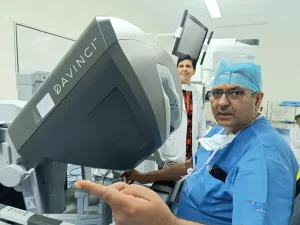
Laparoscopic surgery uses small ports and a camera to guide the surgeon, while robotic-assisted surgery provides enhanced precision, flexibility, and control using robotic arms. Both techniques offer reduced pain, faster recovery, and smaller scars compared to traditional open surgery.
When is a Laparoscopic and Robotic GI Surgery needed?
Minimally invasive GI surgery is recommended for various conditions affecting the stomach, intestines, liver, pancreas, and other abdominal organs. Some of the most common conditions treated include:
- Gastroesophageal Reflux Disease (GERD) & Hiatal Hernia – Fundoplication or hiatal hernia repair to prevent acid reflux.
- Gallbladder Diseases – Robotic/Laparoscopic cholecystectomy for gallstones or gallbladder inflammation.
- Colorectal Disorders – Minimally invasive surgery for colorectal cancer, polyps, diverticulitis, and inflammatory bowel disease (IBD).
- Appendicitis – Laparoscopic appendectomy for quick recovery with minimal scarring.
- Hernias (Inguinal, Umbilical, Incisional) – Hernia repair using laparoscopic or robotic techniques to reinforce weakened tissue.
- Liver & Pancreatic Surgery – Minimally invasive procedures for liver tumors, pancreatic cysts, and pancreatic cancer.
- Obesity & Metabolic Disorders – Bariatric surgeries such as robotic/laparoscopic sleeve gastrectomy and gastric bypass.
What are the types of Laparoscopic and Robotic GI surgeries that are available?
Our gastro-surgery team offers a variety of minimally invasive procedures tailored to each patient’s condition. Common laparoscopic and robotic surgeries include:
- Laparoscopic/Robotic Cholecystectomy
Gallbladder removal for gallstones and chronic inflammation. - Laparoscopic/Robotic Hernia Repair
Mesh reinforcement for hernia defects with minimal downtime. - Laparoscopic/Robotic Colectomy
Removal of part or all of the colon for colorectal cancer or diverticular disease. - Robotic-Assisted Colorectal Surgery
Enhanced precision for colorectal conditions using robotic technology. - Laparoscopic/Robotic Fundoplication
Anti-reflux surgery to treat GERD and prevent acid reflux. - Laparoscopic Appendectomy
Minimally invasive removal of the appendix for appendicitis. - Robotic/Laparoscopic Liver & Pancreatic Surgery
Advanced procedures for liver tumors, pancreatic cancer, and cysts with improved accuracy. - Laparoscopic/Robotic Gastric Bypass & Sleeve Gastrectomy
Bariatric surgeries for weight loss and metabolic disorders.
What should somebody expect before, during, and after surgery?
Before Surgery:
What to Expect Before, During, and After Surgery
Before surgery, patients undergo a thorough evaluation, including imaging tests (CT scans, MRIs) and blood work, to determine the best surgical approach.
During Surgery:
During laparoscopic or robotic surgery, small incisions are made, and a camera is inserted to provide a clear, magnified view of the surgical area. The surgeon uses specialized instruments (or robotic-assisted controls) to perform the procedure with precision.
After Surgery:
After surgery, patients experience less pain, shorter hospital stays, and faster recovery times. Most can resume normal activities within a few days, with full recovery depending on the complexity of the procedure.
What are the long-term benefits of Laparoscopic and Robotic GI surgery?
Minimally invasive GI surgery offers numerous advantages, including:
- Smaller incisions and minimal scarring
- Less post-operative pain and reduced need for pain medications
- Lower risk of complications and infections
- Faster recovery and shorter hospital stays
- Greater precision and better outcomes with robotic-assisted procedures
These techniques provide effective treatment with minimal disruption to daily life, allowing patients to return to their routines quickly and comfortably.
If you are in need of GI surgery, consider the benefits of laparoscopic and robotic techniques for a faster, less invasive recovery. Dr. Kapoor’s team will provide a personalized approach tailored to your needs.
Laparoscopic and robotic GI (gastrointestinal) surgery are advanced, minimally invasive techniques used to treat a wide range of digestive disorders. These procedures involve small incisions, specialized surgical instruments, and high-definition cameras to perform precise and effective treatments with minimal trauma to the body.
Laparoscopic surgery uses small ports and a camera to guide the surgeon, while robotic-assisted surgery provides enhanced precision, flexibility, and control using robotic arms. Both techniques offer reduced pain, faster recovery, and smaller scars compared to traditional open surgery.
Minimally invasive GI surgery is recommended for various conditions affecting the stomach, intestines, liver, pancreas, and other abdominal organs. Some of the most common conditions treated include:
- Gastroesophageal Reflux Disease (GERD) & Hiatal Hernia – Fundoplication or hiatal hernia repair to prevent acid reflux.
- Gallbladder Diseases – Robotic/Laparoscopic cholecystectomy for gallstones or gallbladder inflammation.
- Colorectal Disorders – Minimally invasive surgery for colorectal cancer, polyps, diverticulitis, and inflammatory bowel disease (IBD).
- Appendicitis – Laparoscopic appendectomy for quick recovery with minimal scarring.
- Hernias (Inguinal, Umbilical, Incisional) – Hernia repair using laparoscopic or robotic techniques to reinforce weakened tissue.
- Liver & Pancreatic Surgery – Minimally invasive procedures for liver tumors, pancreatic cysts, and pancreatic cancer.
- Obesity & Metabolic Disorders – Bariatric surgeries such as robotic/laparoscopic sleeve gastrectomy and gastric bypass.
Our gastro-surgery team offers a variety of minimally invasive procedures tailored to each patient’s condition. Common laparoscopic and robotic surgeries include:
- Laparoscopic/Robotic Cholecystectomy
Gallbladder removal for gallstones and chronic inflammation. - Laparoscopic/Robotic Hernia Repair
Mesh reinforcement for hernia defects with minimal downtime. - Laparoscopic/Robotic Colectomy
Removal of part or all of the colon for colorectal cancer or diverticular disease. - Robotic-Assisted Colorectal Surgery
Enhanced precision for colorectal conditions using robotic technology. - Laparoscopic/Robotic Fundoplication
Anti-reflux surgery to treat GERD and prevent acid reflux. - Laparoscopic Appendectomy
Minimally invasive removal of the appendix for appendicitis. - Robotic/Laparoscopic Liver & Pancreatic Surgery
Advanced procedures for liver tumors, pancreatic cancer, and cysts with improved accuracy. - Laparoscopic/Robotic Gastric Bypass & Sleeve Gastrectomy
Bariatric surgeries for weight loss and metabolic disorders.
Before Surgery:
What to Expect Before, During, and After Surgery
Before surgery, patients undergo a thorough evaluation, including imaging tests (CT scans, MRIs) and blood work, to determine the best surgical approach.
During Surgery:
During laparoscopic or robotic surgery, small incisions are made, and a camera is inserted to provide a clear, magnified view of the surgical area. The surgeon uses specialized instruments (or robotic-assisted controls) to perform the procedure with precision.
After Surgery:
After surgery, patients experience less pain, shorter hospital stays, and faster recovery times. Most can resume normal activities within a few days, with full recovery depending on the complexity of the procedure.
Minimally invasive GI surgery offers numerous advantages, including:
- Smaller incisions and minimal scarring
- Less post-operative pain and reduced need for pain medications
- Lower risk of complications and infections
- Faster recovery and shorter hospital stays
- Greater precision and better outcomes with robotic-assisted procedures
These techniques provide effective treatment with minimal disruption to daily life, allowing patients to return to their routines quickly and comfortably.
If you are in need of GI surgery, consider the benefits of laparoscopic and robotic techniques for a faster, less invasive recovery. Dr. Kapoor’s team will provide a personalized approach tailored to your needs.