Bariatric Surgery
Achieve sustainable weight loss and a healthier lifestyle with advanced bariatric procedures tailored to your needs
Speciality
Bariatric Surgery
Bariatric surgery refers to a range of surgical procedures designed to help individuals who are severely obese lose weight and improve their overall health.
Obesity can lead to a variety of health problems, including heart disease, diabetes, high blood pressure, and joint issues.
Transform Your Health with Expert Weight-Loss Surgery.
Schedule Your Bariatric Consultation
Facebook
Instagram
Youtube
Individuals Requiring Bariatric Surgery
– People with Type 2 Diabetes
– People diagnosed with Sleep Apnea
– Patients with Joint Pains
– Heart Disease Patients
Types of Bariatric Surgery Offered
– Gastric Bypass (Roux-en-Y)
– Sleeve Gastrectomy
– Mini Gastric Bypass (MGB or One Anastomosis Gastric Bypass)
– Biliopancreatic Diversion with Duodenal Switch (BPD/DS)
Read FAQs below to know more
Frequently Asked Questions (FAQs)
For detailed queries, please write to us at info [at] drrajeshkapoor [dot] com
What is Bariatric Surgery?
Bariatric surgery refers to a range of surgical procedures designed to help individuals who are severely obese lose weight and improve their overall health.
Obesity can lead to a variety of health problems, including heart disease, diabetes, high blood pressure, and joint issues. Bariatric surgery is often considered when traditional methods like diet, exercise, and medication have not been successful in achieving lasting weight loss.
Dr. Kapoor specializes in bariatric procedures tailored to meet the needs of each patient, aiming not just for weight loss, but also for significant improvements in the quality of life and overall well-being.
Why should you consider Bariatric Surgery?
Bariatric surgery offers a proven and effective solution for those struggling with obesity. For individuals with a body mass index (BMI) of 40 or higher, or those with a BMI of 35 or higher coupled with obesity-related health conditions, bariatric surgery can be a life-changing option.
It can lead to significant weight loss and the resolution or improvement of obesity-related health issues, such as:
- Type 2 Diabetes: Bariatric surgery can improve or even resolve diabetes by helping individuals lose weight and improve insulin sensitivity.
- Sleep Apnea: Weight loss can reduce the severity of sleep apnea, allowing for better sleep quality.
- Joint Pain: Losing weight alleviates pressure on the joints, reducing pain and improving mobility.
- Heart Disease: Bariatric surgery can lower blood pressure, cholesterol, and the risk of heart disease.
What are the various types of bariatric surgeries undertaken by Dr. Rajesh Kapoor?
Dr. Kapoor performs a range of bariatric procedures, each designed to suit different needs and goals. The most common types include:
- Gastric Bypass (Roux-en-Y):
This procedure involves creating a small pouch from the stomach and connecting it directly to the small intestine. This restricts food intake and reduces nutrient absorption, leading to significant weight loss. - Sleeve Gastrectomy:
In this surgery, a large portion of the stomach is removed, leaving a smaller, sleeve-shaped stomach. This reduces hunger and food intake, making it easier for patients to lose weight. - Mini Gastric Bypass (MGB or One Anastomosis Gastric Bypass):
This procedure involves creating a small stomach pouch and connecting it directly to a lower part of the small intestine. It limits food intake and reduces calorie absorption. MGB is less invasive than traditional gastric bypass and provides effective weight loss with quicker recovery. However, it requires regular follow-up and vitamin supplementation. - Biliopancreatic Diversion with Duodenal Switch (BPD/DS):
This combination surgery removes a portion of the stomach and reroutes the intestines. It provides significant weight loss and has long-term health benefits, but it requires strict follow-up care.
What should somebody expect before, during, and after surgery?
Before Surgery:
Before undergoing bariatric surgery, patients undergo thorough assessments, including physical examinations, consultations, and discussions about dietary changes and post-surgery expectations. You will be recommended the best procedure based on your health history, goals, and lifestyle.
During Surgery:
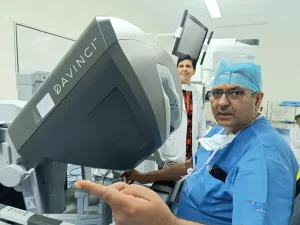
The surgery itself is typically performed laparoscopically or via robotic surgery, using small incisions and a camera for minimally invasive procedures. This allows for a quicker recovery time and less post-operative discomfort.
After Surgery:
Post surgery, patients are guided through the recovery process, including dietary changes and regular follow-up visits. Bariatric surgery is not a quick fix—it requires long-term commitment to healthy habits, including regular physical activity, a balanced diet, and ongoing medical support.
What are the long-term benefits of bariatric surgery?
The long-term benefits of bariatric surgery extend far beyond weight loss. Many patients experience significant improvements in their health, including the remission of conditions like type 2 diabetes and hypertension. Additionally, bariatric surgery can enhance self-esteem, mobility, and overall quality of life.
If you are considering bariatric surgery, it’s important to understand that success relies on a partnership between you and your healthcare provider. Our gastro-surgery team is committed to providing the support you need throughout the journey to ensure lasting results and a healthier future.
Bariatric surgery refers to a range of surgical procedures designed to help individuals who are severely obese lose weight and improve their overall health.
Obesity can lead to a variety of health problems, including heart disease, diabetes, high blood pressure, and joint issues. Bariatric surgery is often considered when traditional methods like diet, exercise, and medication have not been successful in achieving lasting weight loss.
Dr. Kapoor specializes in bariatric procedures tailored to meet the needs of each patient, aiming not just for weight loss, but also for significant improvements in the quality of life and overall well-being.
Bariatric surgery offers a proven and effective solution for those struggling with obesity. For individuals with a body mass index (BMI) of 40 or higher, or those with a BMI of 35 or higher coupled with obesity-related health conditions, bariatric surgery can be a life-changing option.
It can lead to significant weight loss and the resolution or improvement of obesity-related health issues, such as:
- Type 2 Diabetes: Bariatric surgery can improve or even resolve diabetes by helping individuals lose weight and improve insulin sensitivity.
- Sleep Apnea: Weight loss can reduce the severity of sleep apnea, allowing for better sleep quality.
- Joint Pain: Losing weight alleviates pressure on the joints, reducing pain and improving mobility.
- Heart Disease: Bariatric surgery can lower blood pressure, cholesterol, and the risk of heart disease.
Dr. Kapoor performs a range of bariatric procedures, each designed to suit different needs and goals. The most common types include:
- Gastric Bypass (Roux-en-Y):
This procedure involves creating a small pouch from the stomach and connecting it directly to the small intestine. This restricts food intake and reduces nutrient absorption, leading to significant weight loss. - Sleeve Gastrectomy:
In this surgery, a large portion of the stomach is removed, leaving a smaller, sleeve-shaped stomach. This reduces hunger and food intake, making it easier for patients to lose weight. - Mini Gastric Bypass (MGB or One Anastomosis Gastric Bypass):
This procedure involves creating a small stomach pouch and connecting it directly to a lower part of the small intestine. It limits food intake and reduces calorie absorption. MGB is less invasive than traditional gastric bypass and provides effective weight loss with quicker recovery. However, it requires regular follow-up and vitamin supplementation. - Biliopancreatic Diversion with Duodenal Switch (BPD/DS):
This combination surgery removes a portion of the stomach and reroutes the intestines. It provides significant weight loss and has long-term health benefits, but it requires strict follow-up care.
Before Surgery:
Before undergoing bariatric surgery, patients undergo thorough assessments, including physical examinations, consultations, and discussions about dietary changes and post-surgery expectations. You will be recommended the best procedure based on your health history, goals, and lifestyle.
During Surgery:
The surgery itself is typically performed laparoscopically or via robotic surgery, using small incisions and a camera for minimally invasive procedures. This allows for a quicker recovery time and less post-operative discomfort.
After Surgery:
Post surgery, patients are guided through the recovery process, including dietary changes and regular follow-up visits. Bariatric surgery is not a quick fix—it requires long-term commitment to healthy habits, including regular physical activity, a balanced diet, and ongoing medical support.
The long-term benefits of bariatric surgery extend far beyond weight loss. Many patients experience significant improvements in their health, including the remission of conditions like type 2 diabetes and hypertension. Additionally, bariatric surgery can enhance self-esteem, mobility, and overall quality of life.
If you are considering bariatric surgery, it’s important to understand that success relies on a partnership between you and your healthcare provider. Our gastro-surgery team is committed to providing the support you need throughout the journey to ensure lasting results and a healthier future.