Tag: Gastrointestinal cancer surgery

  • Laparoscopic and Robotic GI Surgery: A Modern Approach to Safer, Faster Recovery

    Laparoscopic and Robotic GI Surgery: A Modern Approach to Safer, Faster Recovery

    Laparoscopic and Robotic GI Surgery: A Modern Approach to Safer, Faster Recovery

    The field of gastrointestinal (GI) surgery has advanced significantly over the last few decades. Traditional open surgeries, which often required large incisions and lengthy recovery periods, are increasingly being replaced by minimally invasive techniques. Among the most effective of these are laparoscopic and robotic GI surgeries, which offer greater precision, reduced pain, and faster healing.

    With over 35 years of surgical experience, Dr. Rajesh Kapoor, Director & Head of GI & HPB Surgery, Bariatric & Metabolic Surgery at Max Hospital, Noida, has been at the forefront of advanced gastrointestinal surgical care. His expertise in laparoscopic and robotic surgery enables patients to receive world-class treatment using the latest surgical technologies.

    What is Laparoscopic GI Surgery?

    Laparoscopic GI surgery is a minimally invasive surgical technique used to diagnose and treat disorders affecting the digestive system. Instead of making a large incision, surgeons perform the procedure through several small incisions using a laparoscope-a thin tube equipped with a high-definition camera-and specialized surgical instruments.

    The camera provides a magnified view of the internal organs, allowing surgeons to perform complex procedures with remarkable accuracy while minimizing damage to surrounding tissues.

    Benefits of Laparoscopic Surgery

    • Smaller incisions
    • Less postoperative pain
    • Minimal blood loss
    • Lower risk of infection
    • Shorter hospital stay
    • Faster recovery
    • Minimal scarring
    • Quicker return to normal activities

    What is Robotic GI Surgery?

    Robotic GI surgery is an advanced form of minimally invasive surgery that utilizes a sophisticated robotic surgical system controlled entirely by the surgeon. The robotic platform enhances precision through:

    • High-definition 3D visualization
    • Wristed instruments with greater flexibility
    • Enhanced dexterity
    • Superior precision during delicate procedures
    • Improved access to difficult anatomical areas

    It is important to understand that the robot does not perform the surgery independently. Every movement is directed by the surgeon, allowing for exceptional control and surgical accuracy.

    Conditions Treated with Laparoscopic and Robotic GI Surgery

    Advanced minimally invasive surgery is commonly recommended for several gastrointestinal disorders, including:

    • Gallbladder stones and gallbladder disease
    • Hernias
    • Appendicitis
    • Colorectal cancer
    • Colon polyps requiring surgery
    • Gastroesophageal Reflux Disease (GERD)
    • Gastric cancer
    • Liver tumours
    • Pancreatic disorders
    • Obesity requiring bariatric surgery
    • Diverticular disease
    • Inflammatory bowel disease (IBD)

    Types of Laparoscopic and Robotic GI Surgeries

    1. Laparoscopic/Robotic Cholecystectomy

    This procedure involves the removal of the gallbladder, typically due to gallstones or chronic inflammation. It is one of the most commonly performed minimally invasive surgeries and usually allows patients to return home within 24 hours.

    2. Laparoscopic/Robotic Hernia Repair

    Hernias occur when internal tissues push through weakened muscles. Minimally invasive hernia repair offers:

    • Smaller scars
    • Reduced pain
    • Faster recovery
    • Lower recurrence rates in selected cases

    3. Laparoscopic/Robotic Colectomy

    A colectomy involves removing part or all of the colon. It is commonly performed for:

    • Colon cancer
    • Diverticulitis
    • Ulcerative colitis
    • Crohn’s disease
    • Large benign polyps

    Robotic assistance can improve precision during complex colorectal procedures.

    4. Robotic-Assisted Colorectal Surgery

    Robotic colorectal surgery is particularly beneficial in pelvic surgeries where space is limited. Enhanced precision helps preserve surrounding nerves and tissues while improving surgical outcomes.

    5. Laparoscopic/Robotic Fundoplication

    Fundoplication is performed to treat chronic acid reflux (GERD) when medications fail to provide long-term relief.

    The procedure strengthens the valve between the oesophagus and stomach, reducing acid reflux and improving quality of life.

    6. Laparoscopic Appendectomy

    Acute appendicitis requires prompt surgical removal of the appendix. Laparoscopic appendectomy provides:

    • Faster recovery
    • Less pain
    • Reduced wound complications
    • Minimal scarring

    7. Robotic/Laparoscopic Liver and Pancreatic Surgery

    Liver and pancreatic surgeries are among the most complex gastrointestinal procedures.

    Robotic technology helps surgeons perform these delicate operations with greater accuracy while preserving healthy tissues whenever possible.

    8. Laparoscopic/Robotic Gastric Bypass and Sleeve Gastrectomy

    These bariatric procedures help individuals with severe obesity achieve sustainable weight loss while improving obesity-related conditions such as:

    • Type 2 diabetes
    • High blood pressure
    • Sleep apnoea
    • Fatty liver disease

    Who is a Candidate for Minimally Invasive GI Surgery?

    You may be a suitable candidate if you have been diagnosed with:

    • Gallstones
    • Hernia
    • Colon or rectal cancer
    • GERD
    • Obesity requiring bariatric surgery
    • Appendix inflammation
    • Liver or pancreatic tumours
    • Certain inflammatory bowel conditions

    The decision depends on your overall health, medical history, and the complexity of your condition. An experienced GI surgeon will determine the most appropriate surgical approach.

    Advantages of Choosing Advanced Minimally Invasive Surgery

    Compared with conventional open surgery, laparoscopic and robotic procedures offer several advantages:

    • Smaller incisions
    • Reduced postoperative discomfort
    • Faster healing
    • Lower risk of complications
    • Reduced blood loss
    • Better cosmetic results
    • Earlier return to work
    • Improved patient satisfaction

    Why Choose Dr. Rajesh Kapoor?

    With a distinguished career spanning more than 35 years, Dr. Rajesh Kapoor is among India’s leading experts in Gastrointestinal (GI), Hepatopancreatobiliary (HPB), Bariatric, and Metabolic Surgery.

    As the Director & Head of GI & HPB Surgery and Bariatric & Metabolic Surgery at Max Hospital, Noida, he has successfully managed thousands of complex surgical cases using advanced laparoscopic and robotic techniques.

    His areas of expertise include:

    • Advanced GI Surgery
    • Robotic Surgery
    • Laparoscopic Surgery
    • HPB Surgery
    • Colorectal Surgery
    • Liver Surgery
    • Pancreatic Surgery
    • Bariatric Surgery
    • GI Oncology

    Patients benefit from evidence-based treatment, modern technology, and comprehensive pre- and post-operative care.

    Recovery After Laparoscopic and Robotic Surgery

    Recovery varies depending on the type of surgery performed, but most patients experience:

    • Less postoperative pain
    • Shorter hospital stays
    • Faster mobility
    • Earlier return to daily activities
    • Lower risk of wound complications

    Following your surgeon’s instructions regarding diet, activity, medications, and follow-up appointments is essential for optimal recovery.

    Frequently Asked Questions (FAQs)

    1. What is the difference between laparoscopic and robotic surgery?

    Laparoscopic surgery uses specialized instruments and a camera inserted through small incisions. Robotic surgery uses a robotic system controlled entirely by the surgeon, providing enhanced precision, flexibility, and 3D visualization.

    2. Is robotic surgery safer than open surgery?

    For many suitable patients, robotic surgery offers advantages such as smaller incisions, reduced pain, lower blood loss, shorter hospital stays, and quicker recovery compared to traditional open surgery.

    3. Are laparoscopic surgeries painful?

    Most patients experience significantly less pain compared to open surgery because only small incisions are made.

    4. How long does recovery take after laparoscopic GI surgery?

    Recovery depends on the procedure, but many patients resume normal activities within one to three weeks, while full recovery may take several weeks.

    5. Which GI conditions can be treated using robotic surgery?

    Robotic surgery is commonly used for colorectal disorders, hernias, GERD, gallbladder disease, liver surgery, pancreatic surgery, gastric surgery, and bariatric procedures.

    6. Will I have visible scars after laparoscopic surgery?

    The incisions are very small, resulting in minimal scarring compared to traditional open surgery.

    7. Is robotic surgery performed by a robot alone?

    No. The robotic system never operates independently. Every movement is controlled by the surgeon, ensuring maximum precision and safety.

    8. How do I know if I am a candidate for laparoscopic or robotic GI surgery?

    A detailed consultation, physical examination, imaging studies, and medical evaluation by an experienced GI surgeon will determine the most suitable surgical approach based on your condition.

    Conclusion

    Laparoscopic and robotic GI surgery represent the future of gastrointestinal care by combining advanced technology with surgical expertise. These minimally invasive techniques provide safer procedures, quicker recovery, and improved outcomes for patients suffering from a wide range of digestive disorders.

    If you are experiencing gastrointestinal problems that may require surgery, consulting an experienced GI surgeon can help determine the most appropriate treatment plan. Early diagnosis and timely intervention often lead to better outcomes and improved quality of life.
  • Colorectal Surgery in Noida – Advanced Treatment by Dr. Rajesh Kapoor

    Colorectal Surgery in Noida – Advanced Treatment by Dr. Rajesh Kapoor

    Colorectal Surgery in Noida – Advanced Treatment by Dr. Rajesh Kapoor

    Colorectal surgery is a specialized field of medicine focused on the diagnosis, treatment, and surgical management of conditions affecting the colon, rectum, and anus. These structures form the lower part of the gastrointestinal (GI) tract and are responsible for the final stages of digestion and waste elimination. When diseases or disorders affect this area, they can cause significant discomfort, impact daily life, and lead to serious health complications if left untreated.

    Dr. Rajesh Kapoor offers advanced colorectal surgery at Max Healthcare Noida, providing comprehensive care for patients from Noida, Delhi, Meerut, Ghaziabad, Greater Noida, and across the NCR region. With extensive experience in treating both common and complex colorectal conditions, Dr. Kapoor utilizes modern surgical techniques and evidence-based treatment approaches to achieve the best possible outcomes.

    Understanding Colorectal Surgery:

    Colorectal surgery is dedicated to treating disorders of the colon, rectum, and anus. These conditions may be congenital, inflammatory, infectious, or cancerous in nature. The objective of colorectal surgery is to restore normal bowel function, eliminate disease, relieve symptoms, and improve a patient’s overall quality of life.

    Advancements in medical technology have transformed colorectal surgery over the past decade. Today, many procedures can be performed using minimally invasive techniques, allowing patients to experience reduced pain, shorter hospital stays, faster recovery, and better cosmetic results compared to traditional open surgery.

    When is Colorectal Surgery Required?

    Colorectal surgery may be recommended when non-surgical treatments are ineffective or when a condition requires definitive surgical management. Certain diseases affecting the colon and rectum can progress over time, making early diagnosis and treatment essential.

    Patients experiencing persistent rectal bleeding, chronic constipation, recurrent infections, abdominal pain, changes in bowel habits, anal pain, or unexplained weight loss should seek evaluation from a colorectal specialist. Early intervention often prevents complications and improves treatment success.

    Conditions Commonly Treated Through Colorectal Surgery:

    Colorectal surgery encompasses the treatment of a wide range of conditions affecting the lower digestive tract. One of the most common reasons patients seek colorectal care is hemorrhoids, also known as piles, which can cause pain, itching, swelling, and bleeding.

    Anal fissures and anal fistulas are also frequently treated through colorectal surgical procedures. These conditions can lead to severe discomfort and recurrent infections if not addressed properly. Pilonidal sinus disease, perianal abscesses, and rectal prolapse are other disorders that may require specialized colorectal surgical care.

    In addition to benign conditions, colorectal surgery plays a critical role in the treatment of colorectal cancer, colon polyps, inflammatory bowel disease, diverticular disease, and bowel obstruction. Surgical intervention often provides the most effective solution for managing these conditions and restoring digestive health.

    Advanced Techniques in Colorectal Surgery:

    Modern colorectal surgery has evolved significantly with the introduction of minimally invasive techniques. Laparoscopic colorectal surgery allows surgeons to perform complex procedures through small incisions using specialized instruments and high-definition imaging systems.

    This approach offers numerous benefits, including reduced postoperative pain, lower risk of infection, minimal scarring, shorter hospitalization, and quicker return to normal activities. Depending on the patient’s condition, minimally invasive colorectal surgery can provide outcomes comparable to or better than traditional open procedures.

    Dr. Rajesh Kapoor carefully evaluates each patient to determine the most suitable surgical approach, ensuring personalized treatment based on individual medical needs and disease severity.

    Colorectal Surgery for Cancer Treatment:

    Colorectal cancer is one of the most common gastrointestinal cancers worldwide and remains a major focus of colorectal surgery. Surgical removal of the cancerous portion of the colon or rectum is often the cornerstone of treatment.

    The success of colorectal cancer surgery largely depends on early detection and accurate staging. When diagnosed in its early stages, colorectal cancer can often be treated effectively, leading to improved survival rates and better long-term outcomes.

    Comprehensive colorectal cancer care may involve collaboration with medical oncologists, radiation specialists, and other healthcare professionals to create an individualized treatment plan for each patient.

    The Importance of Early Screening:

    Many serious colorectal conditions develop gradually and may not cause symptoms during their early stages. This is particularly true for colorectal cancer and colon polyps. Regular screening helps identify abnormalities before they become more advanced.

    Colonoscopy remains one of the most effective tools for detecting and preventing colorectal disease. Through early screening, potentially cancerous polyps can be removed before they develop into cancer, significantly reducing long-term health risks.

    Individuals over the age of 45, those with a family history of colorectal cancer, and patients with chronic digestive disorders should discuss screening options with a colorectal specialist.

    Recovery After Colorectal Surgery:

    Recovery following colorectal surgery depends on the type of procedure performed and the patient’s overall health. Modern surgical techniques have significantly improved recovery times, enabling many patients to return to their normal routines sooner than ever before.

    Postoperative care focuses on pain management, proper nutrition, wound healing, and gradual restoration of bowel function. Patients receive detailed guidance throughout the recovery process to ensure optimal healing and long-term success.

    Get Expert Colorectal Surgery for Digestive Health and Wellness:

    Digestive health is closely connected to overall well-being. Conditions affecting the colon, rectum, and anus should never be ignored, as early diagnosis and treatment often result in better outcomes and faster recovery.

    If you are experiencing symptoms of a colorectal condition or require specialized surgical care, consult Dr. Rajesh Kapoor for expert colorectal surgery in Noida. Serving patients from Noida, Delhi, Meerut, Greater Noida, Ghaziabad, and the entire NCR region, Dr. Kapoor provides advanced treatment solutions focused on restoring digestive health and improving quality of life.

    Frequently Asked Questions

    What is colorectal surgery?

    Colorectal surgery is a medical specialty that focuses on treating diseases and disorders affecting the colon, rectum, and anus.

    What conditions are treated through colorectal surgery?

    Colorectal surgery is commonly used to treat hemorrhoids, anal fissures, anal fistulas, colorectal cancer, colon polyps, inflammatory bowel disease, diverticular disease, and rectal prolapse.

    Is colorectal surgery painful?

    Modern colorectal surgery techniques and advanced pain management protocols help minimize discomfort and promote faster recovery.

    What are the benefits of minimally invasive colorectal surgery?

    Benefits include smaller incisions, less pain, reduced blood loss, shorter hospital stays, faster recovery, and minimal scarring.

    Can colorectal cancer be treated with surgery?

    Yes. Surgery is often the primary treatment for colorectal cancer and can be highly effective, especially when the disease is detected early.

    How long does it take to recover from colorectal surgery?

    Recovery varies depending on the procedure and the patient’s overall health, but minimally invasive surgeries generally allow quicker recovery.

    Who should undergo colorectal screening?

    Adults over 45 years of age, individuals with a family history of colorectal cancer, and patients with ongoing digestive symptoms should consider colorectal screening.

    Is colorectal surgery safe?

    Yes. When performed by an experienced specialist, colorectal surgery is generally safe and highly effective for treating a wide range of colorectal conditions.

    Why is early diagnosis important in colorectal disease?

    Early diagnosis allows treatment to begin before complications develop, improving outcomes and increasing treatment success rates.

    Why Choose Dr. Rajesh Kapoor for Colorectal Surgery?

    Choosing the right colorectal surgeon is crucial for achieving the best possible treatment outcomes and long-term digestive health. Dr. Rajesh Kapoor is a highly experienced gastrointestinal and colorectal surgeon known for providing comprehensive, patient-focused care for a wide range of colorectal conditions. From common disorders such as hemorrhoids, fissures, and fistulas to complex conditions including colorectal cancer, inflammatory bowel disease, and colon disorders, he offers evidence-based treatment tailored to each patient’s specific needs.

    At Max Healthcare Noida, Dr. Rajesh Kapoor utilizes advanced diagnostic tools and modern surgical techniques, including minimally invasive and laparoscopic colorectal surgery whenever appropriate. These approaches help reduce postoperative pain, minimize scarring, shorten hospital stays, and support faster recovery. His treatment philosophy focuses not only on successfully addressing the underlying condition but also on preserving bowel function, improving quality of life, and ensuring the best possible long-term outcomes. Patients from Noida, Delhi, Meerut, Ghaziabad, Greater Noida, and across the NCR region trust Dr. Rajesh Kapoor for his surgical expertise, compassionate approach, transparent communication, and commitment to delivering personalized care throughout every stage of treatment-from diagnosis and surgery to recovery and follow-up care. His focus on clinical excellence and patient well-being makes him a preferred choice for advanced colorectal surgery in the region.

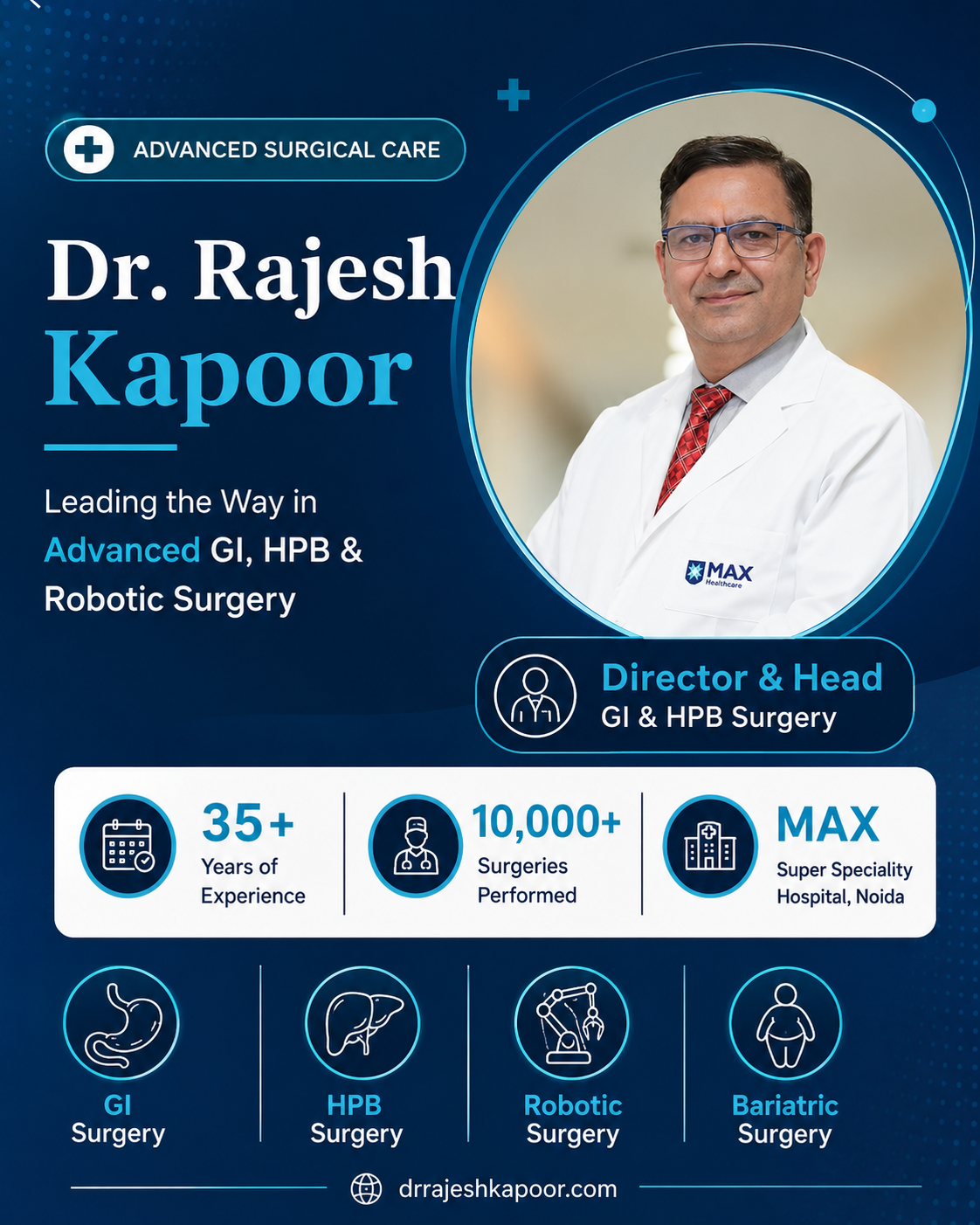
  • Dr. Rajesh Kapoor: Leading the Way in Advanced GI, HPB & Robotic Surgery

    Dr. Rajesh Kapoor: Leading the Way in Advanced GI, HPB & Robotic Surgery

    Dr. Rajesh Kapoor: Leading the Way in Advanced GI, HPB & Robotic Surgery

    When it comes to complex gastrointestinal and hepatopancreatobiliary (HPB) surgeries, experience, precision, and patient-centered care are essential. With over three decades of surgical excellence, Dr. Rajesh Kapoor has established himself as one of India’s most respected Gastrointestinal (GI) and HPB surgeons. His commitment to innovation, clinical excellence, and compassionate patient care has helped thousands of patients overcome challenging digestive disorders and lead healthier lives.

    Currently serving as the Director and Head of GI & HPB Surgery and Bariatric & Metabolic Surgery at Max Hospital, Noida, Dr. Kapoor has been leading the department since 2014. Under his guidance, the department has become a center of excellence for advanced gastrointestinal surgery, robotic surgery, bariatric procedures, and GI cancer treatment.

    A Career Built on Surgical Excellence

    With more than 35+ years of experience, Dr. Rajesh Kapoor has dedicated his career to treating diseases affecting the digestive system, liver, pancreas, gallbladder, and biliary tract. His expertise covers the complete spectrum of GI and HPB surgery, excluding liver transplantation.

    Over the years, he has successfully managed thousands of complex surgical cases involving:

    • Esophageal disorders
    • Stomach diseases
    • Gallbladder and bile duct conditions
    • Pancreatic disorders
    • Liver diseases
    • Colon and rectal diseases
    • Gastrointestinal cancers
    • Hernias
    • Bariatric and metabolic conditions

    His vast clinical experience allows him to develop personalized treatment plans tailored to the specific needs of each patient, ensuring the best possible outcomes.

    Advancing Healthcare Through Minimally Invasive and Robotic Surgery

    One of the defining aspects of Dr. Kapoor’s practice is his focus on advanced minimally invasive surgery. Traditional open surgeries often involve larger incisions, longer hospital stays, and extended recovery periods. Today, laparoscopic and robotic-assisted procedures have transformed patient care by making surgery safer and more precise.

    Dr. Kapoor specializes in advanced laparoscopic and robotic GI surgeries that offer several benefits, including:

    • Smaller incisions and scars
    • Reduced blood loss
    • Less post-operative pain
    • Faster recovery
    • Shorter hospital stays
    • Quicker return to normal activities

    Robotic surgery, in particular, allows greater precision during complex procedures, enabling better surgical outcomes while minimizing trauma to surrounding tissues.

    Expertise in GI and HPB Oncology

    Cancer treatment requires a multidisciplinary approach and exceptional surgical expertise. Dr. Kapoor has extensive experience in managing cancers affecting the digestive system, including cancers of the stomach, pancreas, liver, colon, rectum, and esophagus.

    His approach focuses on early diagnosis, accurate surgical planning, and advanced treatment techniques to achieve optimal outcomes. By combining modern technology with years of experience, he helps patients navigate some of the most challenging diagnoses with confidence and hope.

    Leadership Beyond the Operating Room

    Beyond his surgical accomplishments, Dr. Rajesh Kapoor is widely respected for his leadership in healthcare. Since joining Max Hospital, Noida, he has played a key role in developing comprehensive GI and HPB surgical services that meet international standards.

    His commitment to research, innovation, and medical education has contributed significantly to the advancement of surgical gastroenterology. As a mentor and educator, he continues to guide and inspire young surgeons, helping shape the future of digestive healthcare in India.

    A Patient-Centered Philosophy

    What truly distinguishes Dr. Kapoor is his patient-first approach. He understands that surgery can be a stressful and emotional experience for patients and their families. Therefore, he emphasizes clear communication, thorough evaluation, and compassionate care at every stage of treatment.

    Patients appreciate his ability to explain complex medical conditions in simple terms and involve them in treatment decisions. This personalized approach helps build trust and confidence throughout the healthcare journey.

    Trusted by Patients Across India and Beyond

    Over the years, Dr. Kapoor has earned a reputation as one of North India’s leading GI surgeons. Patients from across the country and internationally seek his expertise for complex gastrointestinal and HPB conditions.

    His dedication to surgical precision, ethical medical practice, and outstanding patient outcomes has made him a trusted name in the field of gastrointestinal surgery.

    Frequently Asked Questions (FAQs)

    1. Who is Dr. Rajesh Kapoor?

    Dr. Rajesh Kapoor is a highly experienced Gastrointestinal (GI) and Hepatopancreatobiliary (HPB) surgeon with over 30 years of expertise in advanced GI, cancer, bariatric, laparoscopic, and robotic surgeries.

    2. What conditions does Dr. Rajesh Kapoor treat?

    He treats a wide range of conditions including gallstones, hernias, liver diseases, pancreatic disorders, colorectal conditions, gastrointestinal cancers, obesity, and metabolic disorders.

    3. Does Dr. Rajesh Kapoor perform robotic surgery?

    Yes. Dr. Kapoor specializes in advanced robotic-assisted GI and HPB surgeries, offering patients minimally invasive treatment options with faster recovery.

    4. What is HPB surgery?

    HPB surgery refers to the treatment of diseases affecting the liver, pancreas, gallbladder, and bile ducts. These procedures often require specialized surgical expertise.

    5. Is bariatric surgery available under Dr. Kapoor’s care?

    Yes. Dr. Kapoor is an expert in bariatric and metabolic surgery, helping patients achieve long-term weight loss and improve obesity-related health conditions.

    6. What are the benefits of minimally invasive GI surgery?

    Minimally invasive surgery typically results in smaller scars, less pain, reduced hospital stays, quicker recovery, and lower risk of complications.

    7. When should I consult a GI surgeon?

    You should consult a GI surgeon if you experience persistent abdominal pain, gallstones, hernias, digestive disorders, unexplained weight loss, gastrointestinal bleeding, or have been diagnosed with a GI-related condition requiring surgical evaluation.

    8. Where does Dr. Rajesh Kapoor practice?

    Dr. Rajesh Kapoor serves as the Director and Head of GI & HPB Surgery and Bariatric & Metabolic Surgery at Max Hospital, Noida.

    9. Which areas does Dr. Rajesh Kapoor serve?

    Dr. Rajesh Kapoor provides consultation and advanced surgical treatment to patients from Noida, Greater Noida, Delhi, Ghaziabad, Faridabad, Gurugram, and other parts of NCR. He also receives patients from across India and international locations seeking specialized care for gastrointestinal, liver, pancreatic, biliary, bariatric, and robotic surgical procedures.

    10. Which hospital is Dr. Rajesh Kapoor associated with?

    Dr. Rajesh Kapoor is the Director and Head of GI & HPB Surgery and Bariatric & Metabolic Surgery at Max Super Speciality Hospital, Noida (formerly Jaypee Hospital, Noida). He leads advanced treatment programs in GI surgery, HPB oncology, robotic surgery, laparoscopic surgery, and bariatric surgery.

    11. Can patients from outside Delhi NCR consult Dr. Rajesh Kapoor?

    Yes. Due to his extensive experience in complex gastrointestinal and HPB surgeries, Dr. Rajesh Kapoor regularly treats patients from various states across India as well as international patients who travel to Noida for specialized surgical care.

    12. How can I book an appointment with Dr. Rajesh Kapoor?

    Patients can schedule a consultation with Dr. Rajesh Kapoor at Max Super Speciality Hospital, Noida, for evaluation and treatment of gastrointestinal disorders, GI cancers, liver diseases, pancreatic conditions, hernias, gallstones, and obesity-related concerns.


  • Life After Bariatric Surgery: Diet, Recovery, and Long-Term Results

    Life After Bariatric Surgery: Diet, Recovery, and Long-Term Results

    Life After Bariatric Surgery: Diet, Recovery, and Long-Term Results

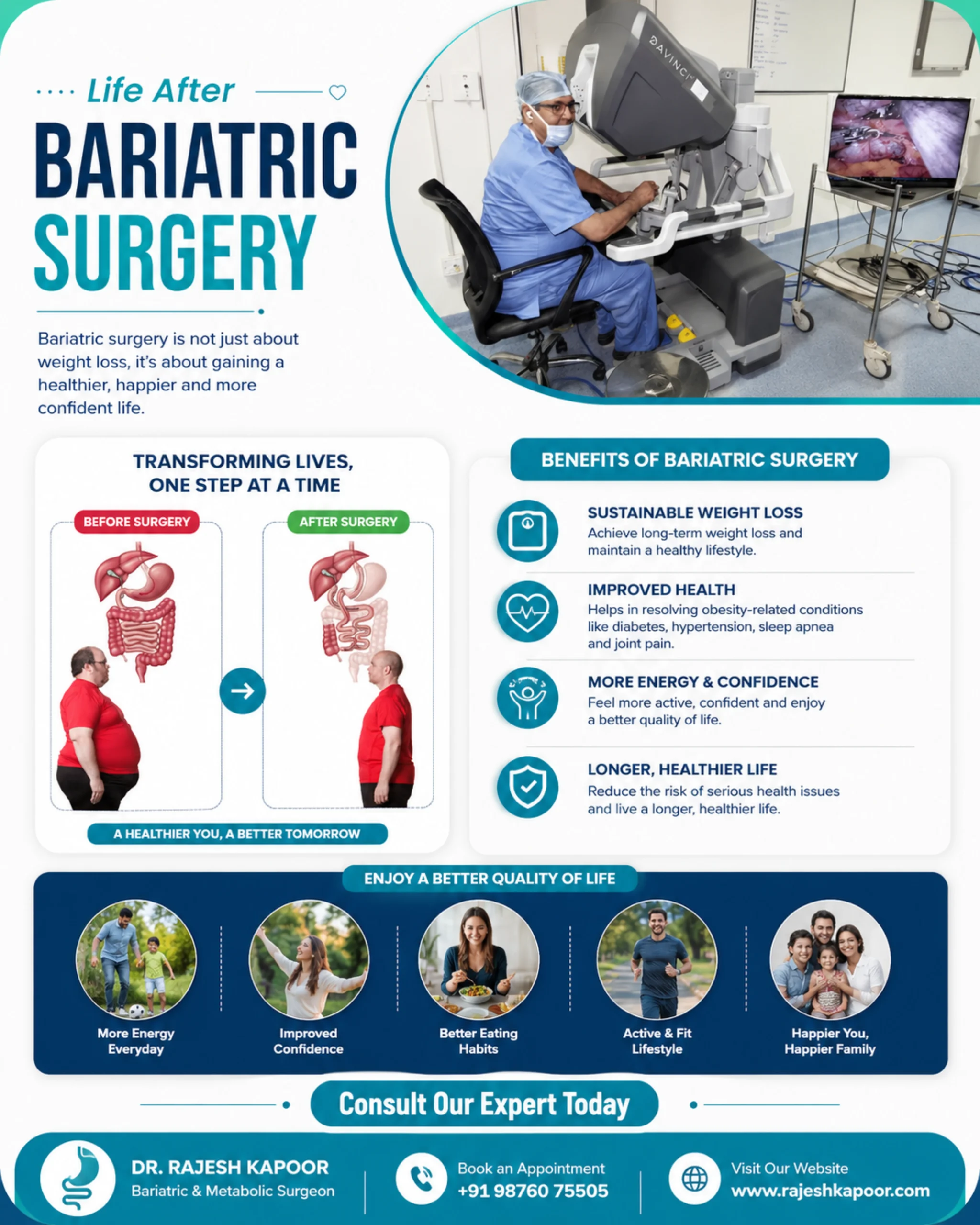
    Bariatric surgery is not just a weight loss procedure-it is the beginning of a healthier and more active life. Many people who struggle with severe obesity often find it difficult to achieve long-term weight loss through dieting and exercise alone. Bariatric procedures help patients lose significant weight, improve obesity-related medical conditions, and regain confidence. However, the journey after surgery is equally important for achieving successful long-term results.

    Patients searching for the Best bariatric surgeon near me or considering Bariatric surgery near me often want to understand what recovery looks like, how their diet will change, and what kind of results they can expect in the future. With proper medical guidance and lifestyle changes, bariatric surgery can become a life-changing step toward better health.

    Recovery After Bariatric Surgery

    Recovery after bariatric surgery usually depends on the type of procedure performed and the patient’s overall health condition. Most modern bariatric surgeries are performed laparoscopically, which involves small incisions and generally allows faster healing compared to traditional open surgery.

    In the first few days after surgery, patients may experience mild discomfort, tiredness, or temporary weakness. Doctors encourage light walking soon after surgery because it helps improve blood circulation and supports recovery. Most patients are able to return to normal daily activities within a couple of weeks, although complete recovery may take longer depending on the individual.

    Patients who choose the Best bariatric surgeon in Noida are usually provided with complete post-operative support, including follow-up consultations, nutritional guidance, and recovery monitoring. Proper aftercare is extremely important because it helps patients adjust safely to their new lifestyle.

    Diet Changes After Bariatric Surgery

    One of the biggest adjustments after surgery involves eating habits. Since bariatric procedures reduce stomach capacity, patients need to follow a carefully planned diet to help the body heal and adapt gradually.

    Immediately after surgery, patients are placed on a liquid diet. This stage typically includes water, clear soups, sugar-free drinks, and protein supplements. The purpose of this phase is to allow the stomach to heal without putting pressure on the digestive system.

    After the initial recovery period, patients slowly transition to soft foods such as mashed vegetables, yogurt, eggs, and soft fruits. Over time, solid foods are reintroduced in small portions. Patients are encouraged to eat slowly, chew food properly, and avoid overeating.

    A long-term healthy diet after Weight loss surgery in Delhi NCR usually focuses on protein-rich meals, fresh vegetables, fruits, and balanced nutrition. Sugary foods, carbonated drinks, and heavily processed meals should be limited because they can interfere with weight loss goals and overall health.

    Hydration is also extremely important after surgery. Patients are advised to drink enough water throughout the day while avoiding drinking large amounts during meals.

    Lifestyle Adjustments and Physical Activity

    Bariatric surgery works best when combined with long-term lifestyle improvements. Surgery helps reduce food intake, but maintaining results depends on daily habits after the procedure.

    Physical activity becomes an important part of the recovery journey. Patients generally start with light walking and gradually move toward regular exercise routines. Activities such as yoga, cycling, swimming, or strength training can help improve stamina, support weight loss, and maintain muscle strength.

    Sleep quality, stress management, and emotional well-being also contribute to successful long-term outcomes. Many patients notice improved confidence and energy levels as they continue losing weight and becoming more physically active.

    People searching for the Best bariatric surgeon near me should always look for a specialist who emphasizes complete lifestyle management rather than surgery alone.

    Long-Term Results of Bariatric Surgery

    Most patients begin noticing significant weight loss within the first few months after surgery. The greatest changes usually occur during the first year. Along with weight reduction, many patients experience major improvements in obesity-related health conditions.

    Bariatric surgery can help improve or manage conditions such as Type 2 diabetes, high blood pressure, sleep apnea, joint pain, and cholesterol imbalance. Many patients also report better mobility, reduced fatigue, and improved overall quality of life.

    Long-term success depends on maintaining healthy habits after surgery. Patients who continue following nutritional advice, stay physically active, and attend regular medical check-ups often achieve sustainable results for many years.

    For patients considering Bariatric surgery near me, understanding that surgery is a long-term commitment is extremely important. The procedure provides a strong medical tool for weight loss, but continued discipline and healthy routines are necessary for lasting benefits.

    Importance of Choosing the Right Bariatric Surgeon

    Selecting an experienced bariatric specialist is one of the most important decisions before surgery. A skilled surgeon not only performs the procedure safely but also provides complete support throughout the patient’s transformation journey.

    Patients looking for the Best bariatric surgeon in Noida should choose a doctor with extensive experience in bariatric and metabolic procedures, advanced surgical techniques, and comprehensive patient care. Proper guidance before and after surgery can significantly improve recovery and long-term outcomes.

    Final Thoughts

    Life after bariatric surgery involves more than simply losing weight. It is a complete transformation that includes healthier eating habits, regular exercise, medical follow-ups, and long-term lifestyle improvements. With the right approach and expert medical care, bariatric surgery can help patients achieve better health, increased confidence, and an improved quality of life.

    Dr. Rajesh Kapoor is the Director and Head of the Department of GI & HPB Surgery, as well as Bariatric & Metabolic Surgery at Max Hospital, Noida. He is known for providing advanced and personalized treatment solutions for patients seeking safe and effective Weight loss surgery in Delhi NCR and long-term obesity management care.

  • Early Detection of Gastrointestinal Cancers: Symptoms You Should Never Ignore

    Early Detection of Gastrointestinal Cancers: Symptoms You Should Never Ignore

    Early Detection of Gastrointestinal Cancers: Symptoms You Should Never Ignore

    Gastrointestinal cancers, commonly known as GI cancers, affect the digestive system and may involve organs such as the stomach, colon, rectum, pancreas, liver, esophagus, and gallbladder. These cancers often develop slowly and may not show obvious symptoms during the early stages. Unfortunately, many patients ignore warning signs until the disease becomes advanced. Early diagnosis plays a major role in improving treatment outcomes and survival rates.

    Awareness about symptoms and timely consultation with a specialist can help detect cancer at an earlier and more treatable stage. Patients searching for advanced GI cancer surgery or expert care for Gastrointestinal cancer surgery should never overlook persistent digestive problems or unusual physical changes.

    Why Early Detection Matters in GI Cancers:

    Early-stage gastrointestinal cancers are generally easier to treat and may require less extensive treatment compared to advanced cancers. When diagnosed early, patients often have better recovery rates, improved quality of life, and more treatment options available.

    Modern advancements in Surgical oncology for GI cancers have significantly improved outcomes through minimally invasive and robotic-assisted procedures. However, timely diagnosis remains one of the most important factors for successful treatment.

    Consulting an experienced GI cancer surgeon at the first sign of symptoms can help identify serious conditions before they progress further.

    Common Symptoms of Gastrointestinal Cancers:

    Many GI cancer symptoms may appear similar to common digestive issues, which is why patients frequently ignore them. Persistent or unusual symptoms should always be medically evaluated.

    Persistent Abdominal Pain:

    Continuous stomach pain, bloating, or discomfort that does not improve over time should never be ignored. Pain may indicate problems involving the stomach, liver, pancreas, or intestines.

    While occasional digestive discomfort is common, long-lasting abdominal pain requires evaluation by a GI oncology specialist to rule out serious conditions.

    Unexplained Weight Loss:

    Sudden weight loss without changes in diet or exercise can be an early warning sign of gastrointestinal cancer. Many cancers affect digestion and metabolism, causing patients to lose weight unintentionally.

    If unexplained weight loss is combined with weakness, fatigue, or loss of appetite, immediate medical consultation is important.

    Difficulty Swallowing:

    Trouble swallowing food or a feeling that food is getting stuck in the throat may be associated with esophageal or stomach cancers. Patients may initially notice discomfort while swallowing solid foods, which may gradually worsen over time.

    Early diagnosis is extremely important because treatment is generally more effective during the initial stages.

    Changes in Bowel Habits:

    Persistent constipation, diarrhea, narrow stools, or changes in bowel movement patterns may indicate colorectal cancer or other gastrointestinal conditions.

    Blood in stools should never be ignored, even if it appears occasionally. Patients often mistake rectal bleeding for piles or hemorrhoids, delaying proper diagnosis.

    Individuals experiencing these symptoms should consult a specialist experienced in GI cancer surgery for detailed evaluation.

    Persistent Indigestion and Acidity:

    Frequent acidity, indigestion, or heartburn that continues for weeks despite medication may sometimes signal stomach or esophageal cancer. Persistent digestive discomfort should not be self-treated repeatedly without medical investigation.

    A proper examination by a GI oncology specialist can help determine whether symptoms are related to simple gastric problems or something more serious.

    Loss of Appetite and Fatigue

    Cancer can affect the body’s ability to absorb nutrients and maintain energy levels. Many patients with GI cancers experience continuous tiredness, weakness, and reduced appetite.

    When fatigue is combined with anemia, abdominal discomfort, or weight loss, medical screening becomes essential.

    Jaundice and Digestive Issues:

    Yellowing of the eyes or skin, commonly known as jaundice, may indicate liver, gallbladder, or pancreatic problems. Some gastrointestinal cancers block bile flow, leading to jaundice and digestive difficulties.

    Symptoms such as dark urine, pale stools, and persistent itching should also be medically evaluated without delay.

    Risk Factors for Gastrointestinal Cancers:

    Several factors can increase the risk of GI cancers, including:

    • Smoking and alcohol consumption
    • Obesity
    • Poor dietary habits
    • Family history of cancer
    • Chronic acidity or inflammatory bowel disease
    • Diabetes and metabolic disorders

    People with these risk factors should undergo regular health check-ups and cancer screening when recommended by a doctor.

    Diagnosis and Treatment Options:

    Modern diagnostic techniques help detect gastrointestinal cancers at earlier stages. Common investigations include endoscopy, colonoscopy, CT scans, MRI scans, PET scans, and biopsy procedures.

    Depending on the type and stage of cancer, treatment may involve surgery, chemotherapy, radiation therapy, or a combination of treatments.

    Advanced Gastrointestinal cancer surgery procedures now focus on removing cancer effectively while preserving healthy tissue and improving recovery times. Minimally invasive and robotic-assisted surgeries have also improved patient outcomes significantly.

    An experienced GI cancer surgeon carefully evaluates each patient to create a personalized treatment plan based on the cancer stage, location, and overall health condition.

    Importance of Choosing the Right Specialist:

    Successful cancer treatment depends greatly on timely diagnosis and expert medical care. Patients should consult a highly experienced GI oncology specialist who has expertise in managing complex gastrointestinal cancers using advanced surgical techniques.

    Specialized care not only improves treatment success but also helps patients receive proper nutritional support, recovery guidance, and long-term monitoring after treatment.

    Final Thoughts:

    Gastrointestinal cancers can often be treated successfully when detected early. Symptoms such as persistent abdominal pain, unexplained weight loss, difficulty swallowing, bowel habit changes, or continuous indigestion should never be ignored. Seeking timely medical attention can make a major difference in treatment outcomes and recovery.

    Dr. Rajesh Kapoor is a highly experienced expert in Surgical oncology for GI cancers and serves as the Director and Head of the Department of GI & HPB Surgery, as well as Bariatric & Metabolic Surgery at Max Hospital, Noida. With extensive expertise in advanced GI cancer surgery and minimally invasive procedures, he provides comprehensive care for patients dealing with complex gastrointestinal cancers.