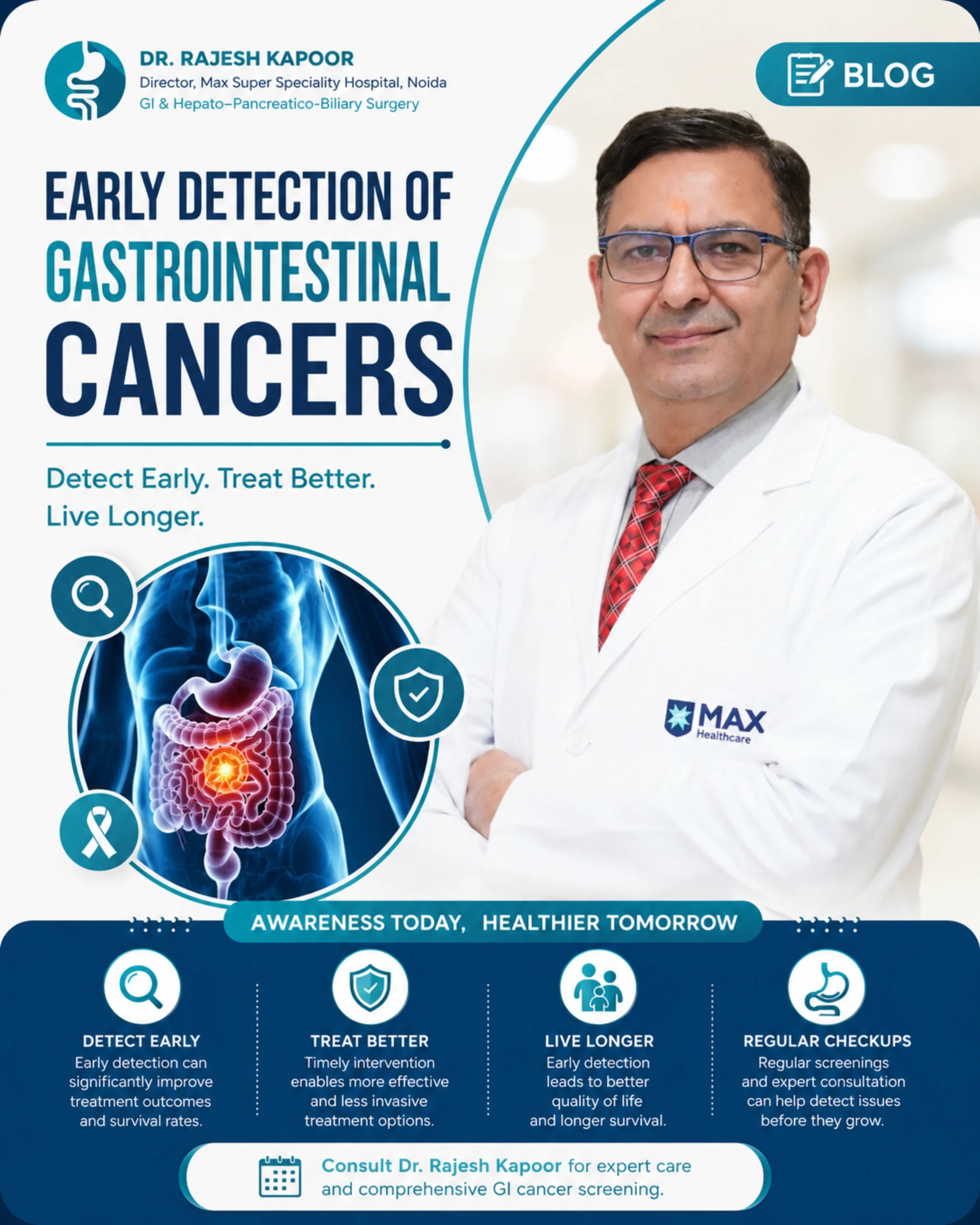
Early Detection of Gastrointestinal Cancers: Symptoms You Should Never Ignore
Gastrointestinal cancers, commonly known as GI cancers, affect the digestive system and may involve organs such as the stomach, colon, rectum, pancreas, liver, esophagus, and gallbladder. These cancers often develop slowly and may not show obvious symptoms during the early stages. Unfortunately, many patients ignore warning signs until the disease becomes advanced. Early diagnosis plays a major role in improving treatment outcomes and survival rates.
Awareness about symptoms and timely consultation with a specialist can help detect cancer at an earlier and more treatable stage. Patients searching for advanced GI cancer surgery or expert care for Gastrointestinal cancer surgery should never overlook persistent digestive problems or unusual physical changes.
Why Early Detection Matters in GI Cancers:
Early-stage gastrointestinal cancers are generally easier to treat and may require less extensive treatment compared to advanced cancers. When diagnosed early, patients often have better recovery rates, improved quality of life, and more treatment options available.
Modern advancements in Surgical oncology for GI cancers have significantly improved outcomes through minimally invasive and robotic-assisted procedures. However, timely diagnosis remains one of the most important factors for successful treatment.
Consulting an experienced GI cancer surgeon at the first sign of symptoms can help identify serious conditions before they progress further.
Common Symptoms of Gastrointestinal Cancers:
Many GI cancer symptoms may appear similar to common digestive issues, which is why patients frequently ignore them. Persistent or unusual symptoms should always be medically evaluated.
Persistent Abdominal Pain:
Continuous stomach pain, bloating, or discomfort that does not improve over time should never be ignored. Pain may indicate problems involving the stomach, liver, pancreas, or intestines.
While occasional digestive discomfort is common, long-lasting abdominal pain requires evaluation by a GI oncology specialist to rule out serious conditions.
Unexplained Weight Loss:
Sudden weight loss without changes in diet or exercise can be an early warning sign of gastrointestinal cancer. Many cancers affect digestion and metabolism, causing patients to lose weight unintentionally.
If unexplained weight loss is combined with weakness, fatigue, or loss of appetite, immediate medical consultation is important.
Difficulty Swallowing:
Trouble swallowing food or a feeling that food is getting stuck in the throat may be associated with esophageal or stomach cancers. Patients may initially notice discomfort while swallowing solid foods, which may gradually worsen over time.
Early diagnosis is extremely important because treatment is generally more effective during the initial stages.
Changes in Bowel Habits:
Persistent constipation, diarrhea, narrow stools, or changes in bowel movement patterns may indicate colorectal cancer or other gastrointestinal conditions.
Blood in stools should never be ignored, even if it appears occasionally. Patients often mistake rectal bleeding for piles or hemorrhoids, delaying proper diagnosis.
Individuals experiencing these symptoms should consult a specialist experienced in GI cancer surgery for detailed evaluation.
Persistent Indigestion and Acidity:
Frequent acidity, indigestion, or heartburn that continues for weeks despite medication may sometimes signal stomach or esophageal cancer. Persistent digestive discomfort should not be self-treated repeatedly without medical investigation.
A proper examination by a GI oncology specialist can help determine whether symptoms are related to simple gastric problems or something more serious.
Loss of Appetite and Fatigue
Cancer can affect the body’s ability to absorb nutrients and maintain energy levels. Many patients with GI cancers experience continuous tiredness, weakness, and reduced appetite.
When fatigue is combined with anemia, abdominal discomfort, or weight loss, medical screening becomes essential.
Jaundice and Digestive Issues:
Yellowing of the eyes or skin, commonly known as jaundice, may indicate liver, gallbladder, or pancreatic problems. Some gastrointestinal cancers block bile flow, leading to jaundice and digestive difficulties.
Symptoms such as dark urine, pale stools, and persistent itching should also be medically evaluated without delay.
Risk Factors for Gastrointestinal Cancers:
Several factors can increase the risk of GI cancers, including:
- Smoking and alcohol consumption
- Obesity
- Poor dietary habits
- Family history of cancer
- Chronic acidity or inflammatory bowel disease
- Diabetes and metabolic disorders
People with these risk factors should undergo regular health check-ups and cancer screening when recommended by a doctor.
Diagnosis and Treatment Options:
Modern diagnostic techniques help detect gastrointestinal cancers at earlier stages. Common investigations include endoscopy, colonoscopy, CT scans, MRI scans, PET scans, and biopsy procedures.
Depending on the type and stage of cancer, treatment may involve surgery, chemotherapy, radiation therapy, or a combination of treatments.
Advanced Gastrointestinal cancer surgery procedures now focus on removing cancer effectively while preserving healthy tissue and improving recovery times. Minimally invasive and robotic-assisted surgeries have also improved patient outcomes significantly.
An experienced GI cancer surgeon carefully evaluates each patient to create a personalized treatment plan based on the cancer stage, location, and overall health condition.
Importance of Choosing the Right Specialist:
Successful cancer treatment depends greatly on timely diagnosis and expert medical care. Patients should consult a highly experienced GI oncology specialist who has expertise in managing complex gastrointestinal cancers using advanced surgical techniques.
Specialized care not only improves treatment success but also helps patients receive proper nutritional support, recovery guidance, and long-term monitoring after treatment.
Final Thoughts:
Gastrointestinal cancers can often be treated successfully when detected early. Symptoms such as persistent abdominal pain, unexplained weight loss, difficulty swallowing, bowel habit changes, or continuous indigestion should never be ignored. Seeking timely medical attention can make a major difference in treatment outcomes and recovery.
Dr. Rajesh Kapoor is a highly experienced expert in Surgical oncology for GI cancers and serves as the Director and Head of the Department of GI & HPB Surgery, as well as Bariatric & Metabolic Surgery at Max Hospital, Noida. With extensive expertise in advanced GI cancer surgery and minimally invasive procedures, he provides comprehensive care for patients dealing with complex gastrointestinal cancers.
Leave a Reply