Author: Dr. Rajesh

  • Life After Bariatric Surgery: Diet, Recovery, and Long-Term Results

    Life After Bariatric Surgery: Diet, Recovery, and Long-Term Results

    Life After Bariatric Surgery: Diet, Recovery, and Long-Term Results

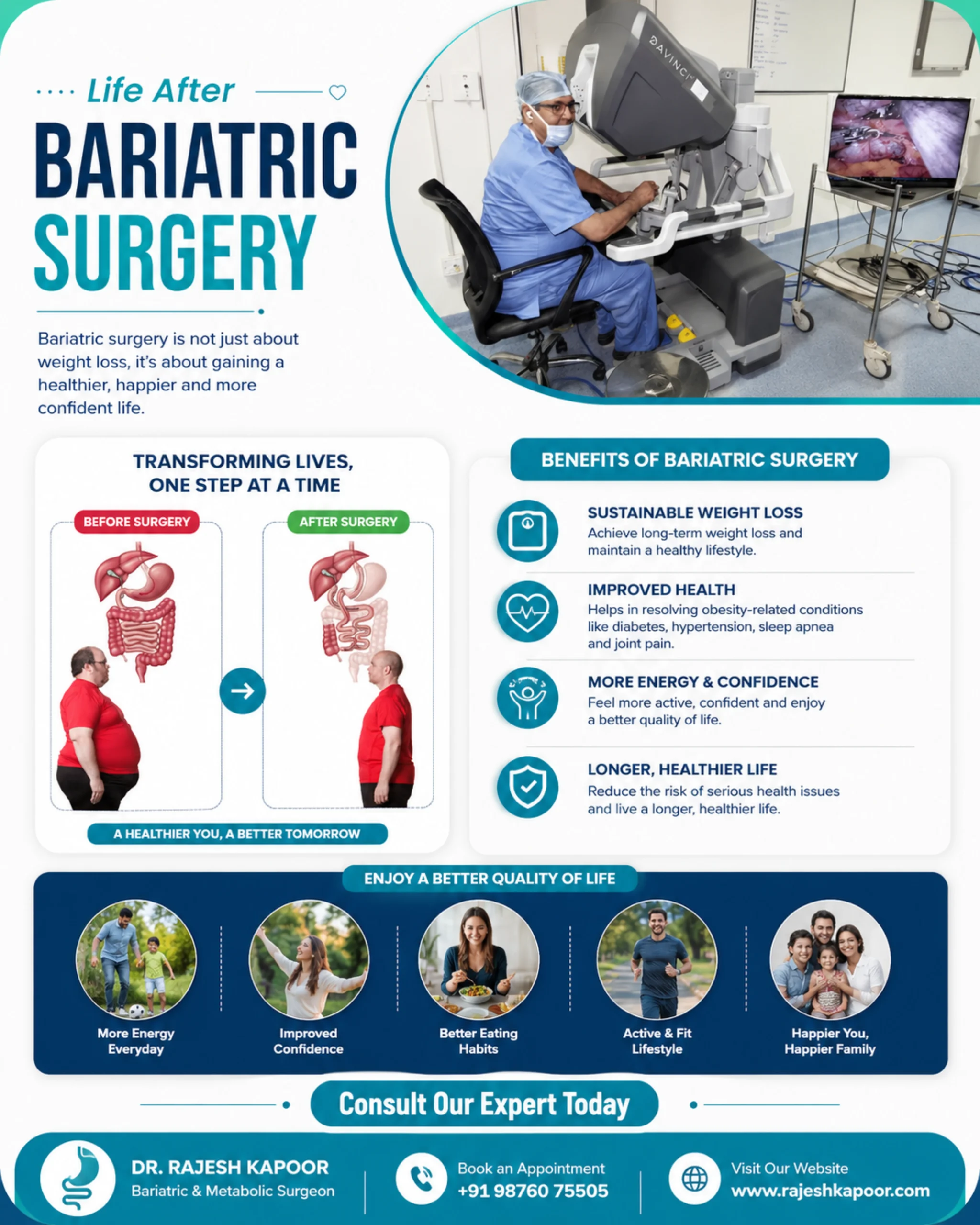
    Bariatric surgery is not just a weight loss procedure-it is the beginning of a healthier and more active life. Many people who struggle with severe obesity often find it difficult to achieve long-term weight loss through dieting and exercise alone. Bariatric procedures help patients lose significant weight, improve obesity-related medical conditions, and regain confidence. However, the journey after surgery is equally important for achieving successful long-term results.

    Patients searching for the Best bariatric surgeon near me or considering Bariatric surgery near me often want to understand what recovery looks like, how their diet will change, and what kind of results they can expect in the future. With proper medical guidance and lifestyle changes, bariatric surgery can become a life-changing step toward better health.

    Recovery After Bariatric Surgery

    Recovery after bariatric surgery usually depends on the type of procedure performed and the patient’s overall health condition. Most modern bariatric surgeries are performed laparoscopically, which involves small incisions and generally allows faster healing compared to traditional open surgery.

    In the first few days after surgery, patients may experience mild discomfort, tiredness, or temporary weakness. Doctors encourage light walking soon after surgery because it helps improve blood circulation and supports recovery. Most patients are able to return to normal daily activities within a couple of weeks, although complete recovery may take longer depending on the individual.

    Patients who choose the Best bariatric surgeon in Noida are usually provided with complete post-operative support, including follow-up consultations, nutritional guidance, and recovery monitoring. Proper aftercare is extremely important because it helps patients adjust safely to their new lifestyle.

    Diet Changes After Bariatric Surgery

    One of the biggest adjustments after surgery involves eating habits. Since bariatric procedures reduce stomach capacity, patients need to follow a carefully planned diet to help the body heal and adapt gradually.

    Immediately after surgery, patients are placed on a liquid diet. This stage typically includes water, clear soups, sugar-free drinks, and protein supplements. The purpose of this phase is to allow the stomach to heal without putting pressure on the digestive system.

    After the initial recovery period, patients slowly transition to soft foods such as mashed vegetables, yogurt, eggs, and soft fruits. Over time, solid foods are reintroduced in small portions. Patients are encouraged to eat slowly, chew food properly, and avoid overeating.

    A long-term healthy diet after Weight loss surgery in Delhi NCR usually focuses on protein-rich meals, fresh vegetables, fruits, and balanced nutrition. Sugary foods, carbonated drinks, and heavily processed meals should be limited because they can interfere with weight loss goals and overall health.

    Hydration is also extremely important after surgery. Patients are advised to drink enough water throughout the day while avoiding drinking large amounts during meals.

    Lifestyle Adjustments and Physical Activity

    Bariatric surgery works best when combined with long-term lifestyle improvements. Surgery helps reduce food intake, but maintaining results depends on daily habits after the procedure.

    Physical activity becomes an important part of the recovery journey. Patients generally start with light walking and gradually move toward regular exercise routines. Activities such as yoga, cycling, swimming, or strength training can help improve stamina, support weight loss, and maintain muscle strength.

    Sleep quality, stress management, and emotional well-being also contribute to successful long-term outcomes. Many patients notice improved confidence and energy levels as they continue losing weight and becoming more physically active.

    People searching for the Best bariatric surgeon near me should always look for a specialist who emphasizes complete lifestyle management rather than surgery alone.

    Long-Term Results of Bariatric Surgery

    Most patients begin noticing significant weight loss within the first few months after surgery. The greatest changes usually occur during the first year. Along with weight reduction, many patients experience major improvements in obesity-related health conditions.

    Bariatric surgery can help improve or manage conditions such as Type 2 diabetes, high blood pressure, sleep apnea, joint pain, and cholesterol imbalance. Many patients also report better mobility, reduced fatigue, and improved overall quality of life.

    Long-term success depends on maintaining healthy habits after surgery. Patients who continue following nutritional advice, stay physically active, and attend regular medical check-ups often achieve sustainable results for many years.

    For patients considering Bariatric surgery near me, understanding that surgery is a long-term commitment is extremely important. The procedure provides a strong medical tool for weight loss, but continued discipline and healthy routines are necessary for lasting benefits.

    Importance of Choosing the Right Bariatric Surgeon

    Selecting an experienced bariatric specialist is one of the most important decisions before surgery. A skilled surgeon not only performs the procedure safely but also provides complete support throughout the patient’s transformation journey.

    Patients looking for the Best bariatric surgeon in Noida should choose a doctor with extensive experience in bariatric and metabolic procedures, advanced surgical techniques, and comprehensive patient care. Proper guidance before and after surgery can significantly improve recovery and long-term outcomes.

    Final Thoughts

    Life after bariatric surgery involves more than simply losing weight. It is a complete transformation that includes healthier eating habits, regular exercise, medical follow-ups, and long-term lifestyle improvements. With the right approach and expert medical care, bariatric surgery can help patients achieve better health, increased confidence, and an improved quality of life.

    Dr. Rajesh Kapoor is the Director and Head of the Department of GI & HPB Surgery, as well as Bariatric & Metabolic Surgery at Max Hospital, Noida. He is known for providing advanced and personalized treatment solutions for patients seeking safe and effective Weight loss surgery in Delhi NCR and long-term obesity management care.
  • Early Detection of Gastrointestinal Cancers: Symptoms You Should Never Ignore

    Early Detection of Gastrointestinal Cancers: Symptoms You Should Never Ignore

    Early Detection of Gastrointestinal Cancers: Symptoms You Should Never Ignore

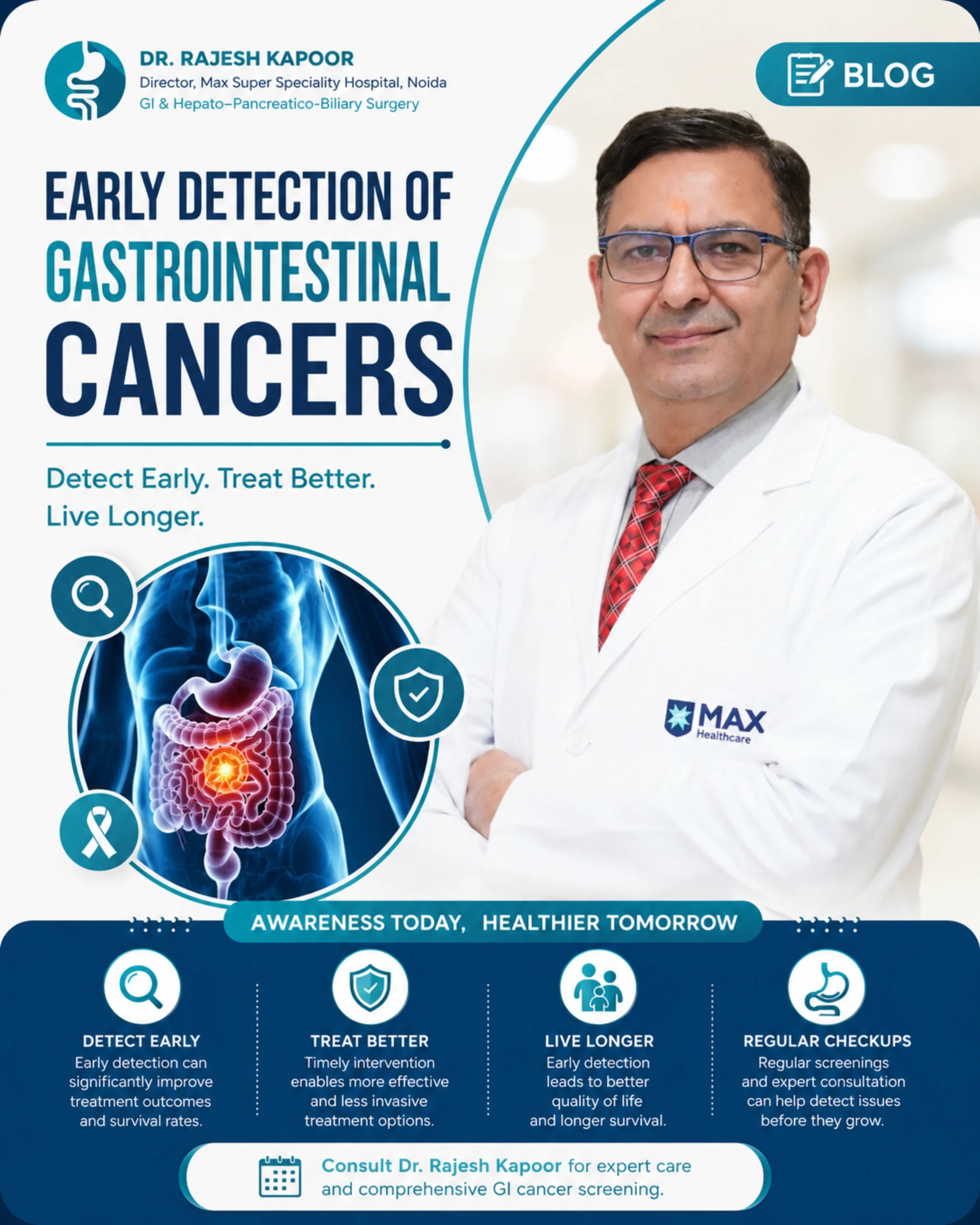
    Gastrointestinal cancers, commonly known as GI cancers, affect the digestive system and may involve organs such as the stomach, colon, rectum, pancreas, liver, esophagus, and gallbladder. These cancers often develop slowly and may not show obvious symptoms during the early stages. Unfortunately, many patients ignore warning signs until the disease becomes advanced. Early diagnosis plays a major role in improving treatment outcomes and survival rates.

    Awareness about symptoms and timely consultation with a specialist can help detect cancer at an earlier and more treatable stage. Patients searching for advanced GI cancer surgery or expert care for Gastrointestinal cancer surgery should never overlook persistent digestive problems or unusual physical changes.

    Why Early Detection Matters in GI Cancers:

    Early-stage gastrointestinal cancers are generally easier to treat and may require less extensive treatment compared to advanced cancers. When diagnosed early, patients often have better recovery rates, improved quality of life, and more treatment options available.

    Modern advancements in Surgical oncology for GI cancers have significantly improved outcomes through minimally invasive and robotic-assisted procedures. However, timely diagnosis remains one of the most important factors for successful treatment.

    Consulting an experienced GI cancer surgeon at the first sign of symptoms can help identify serious conditions before they progress further.

    Common Symptoms of Gastrointestinal Cancers:

    Many GI cancer symptoms may appear similar to common digestive issues, which is why patients frequently ignore them. Persistent or unusual symptoms should always be medically evaluated.

    Persistent Abdominal Pain:

    Continuous stomach pain, bloating, or discomfort that does not improve over time should never be ignored. Pain may indicate problems involving the stomach, liver, pancreas, or intestines.

    While occasional digestive discomfort is common, long-lasting abdominal pain requires evaluation by a GI oncology specialist to rule out serious conditions.

    Unexplained Weight Loss:

    Sudden weight loss without changes in diet or exercise can be an early warning sign of gastrointestinal cancer. Many cancers affect digestion and metabolism, causing patients to lose weight unintentionally.

    If unexplained weight loss is combined with weakness, fatigue, or loss of appetite, immediate medical consultation is important.

    Difficulty Swallowing:

    Trouble swallowing food or a feeling that food is getting stuck in the throat may be associated with esophageal or stomach cancers. Patients may initially notice discomfort while swallowing solid foods, which may gradually worsen over time.

    Early diagnosis is extremely important because treatment is generally more effective during the initial stages.

    Changes in Bowel Habits:

    Persistent constipation, diarrhea, narrow stools, or changes in bowel movement patterns may indicate colorectal cancer or other gastrointestinal conditions.

    Blood in stools should never be ignored, even if it appears occasionally. Patients often mistake rectal bleeding for piles or hemorrhoids, delaying proper diagnosis.

    Individuals experiencing these symptoms should consult a specialist experienced in GI cancer surgery for detailed evaluation.

    Persistent Indigestion and Acidity:

    Frequent acidity, indigestion, or heartburn that continues for weeks despite medication may sometimes signal stomach or esophageal cancer. Persistent digestive discomfort should not be self-treated repeatedly without medical investigation.

    A proper examination by a GI oncology specialist can help determine whether symptoms are related to simple gastric problems or something more serious.

    Loss of Appetite and Fatigue

    Cancer can affect the body’s ability to absorb nutrients and maintain energy levels. Many patients with GI cancers experience continuous tiredness, weakness, and reduced appetite.

    When fatigue is combined with anemia, abdominal discomfort, or weight loss, medical screening becomes essential.

    Jaundice and Digestive Issues:

    Yellowing of the eyes or skin, commonly known as jaundice, may indicate liver, gallbladder, or pancreatic problems. Some gastrointestinal cancers block bile flow, leading to jaundice and digestive difficulties.

    Symptoms such as dark urine, pale stools, and persistent itching should also be medically evaluated without delay.

    Risk Factors for Gastrointestinal Cancers:

    Several factors can increase the risk of GI cancers, including:

    • Smoking and alcohol consumption
    • Obesity
    • Poor dietary habits
    • Family history of cancer
    • Chronic acidity or inflammatory bowel disease
    • Diabetes and metabolic disorders

    People with these risk factors should undergo regular health check-ups and cancer screening when recommended by a doctor.

    Diagnosis and Treatment Options:

    Modern diagnostic techniques help detect gastrointestinal cancers at earlier stages. Common investigations include endoscopy, colonoscopy, CT scans, MRI scans, PET scans, and biopsy procedures.

    Depending on the type and stage of cancer, treatment may involve surgery, chemotherapy, radiation therapy, or a combination of treatments.

    Advanced Gastrointestinal cancer surgery procedures now focus on removing cancer effectively while preserving healthy tissue and improving recovery times. Minimally invasive and robotic-assisted surgeries have also improved patient outcomes significantly.

    An experienced GI cancer surgeon carefully evaluates each patient to create a personalized treatment plan based on the cancer stage, location, and overall health condition.

    Importance of Choosing the Right Specialist:

    Successful cancer treatment depends greatly on timely diagnosis and expert medical care. Patients should consult a highly experienced GI oncology specialist who has expertise in managing complex gastrointestinal cancers using advanced surgical techniques.

    Specialized care not only improves treatment success but also helps patients receive proper nutritional support, recovery guidance, and long-term monitoring after treatment.

    Final Thoughts:

    Gastrointestinal cancers can often be treated successfully when detected early. Symptoms such as persistent abdominal pain, unexplained weight loss, difficulty swallowing, bowel habit changes, or continuous indigestion should never be ignored. Seeking timely medical attention can make a major difference in treatment outcomes and recovery.

    Dr. Rajesh Kapoor is a highly experienced expert in Surgical oncology for GI cancers and serves as the Director and Head of the Department of GI & HPB Surgery, as well as Bariatric & Metabolic Surgery at Max Hospital, Noida. With extensive expertise in advanced GI cancer surgery and minimally invasive procedures, he provides comprehensive care for patients dealing with complex gastrointestinal cancers.

  • Medical vs Surgical Jaundice: What’s the Difference and What Should Patients Know?

    Medical vs Surgical Jaundice: What’s the Difference and What Should Patients Know?

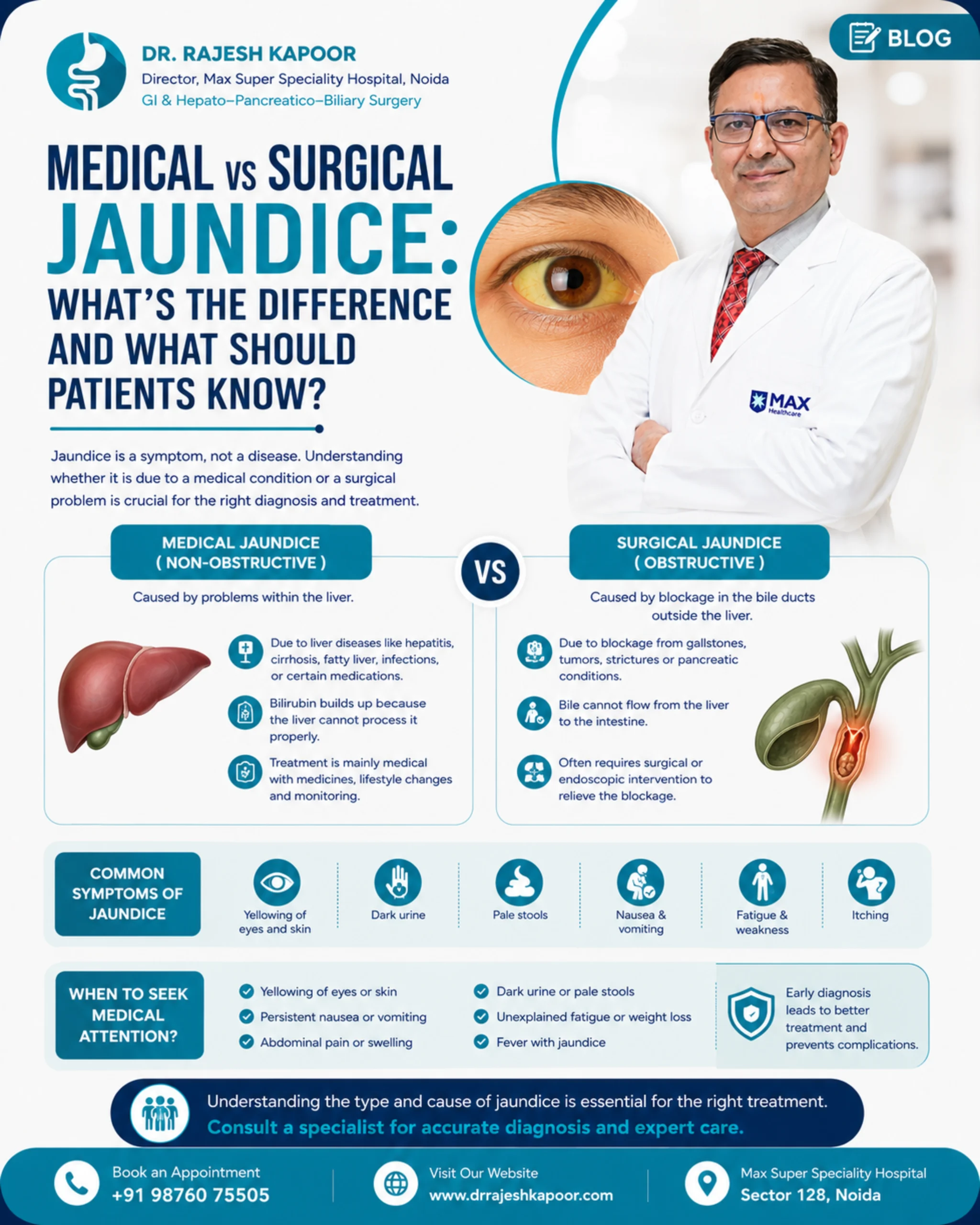
    Jaundice is a common medical condition where the skin, eyes, and sometimes other tissues turn yellow. This happens because of a buildup of a yellow substance in the body called *bilirubin, which is normally processed and removed by the liver. While jaundice itself is a sign of an underlying issue—not a disease on its own—understanding *what kind of jaundice a person has is crucial for proper treatment.

    Broadly, jaundice can be classified into two main types: medical jaundice and surgical jaundice. In this blog post, we’ll explain both types in simple terms, how to tell the difference between them, and what patients need to keep in mind.


    What Is Medical Jaundice?

    Medical jaundice refers to jaundice caused by problems inside the liver itself. In other words, the liver is not functioning properly due to a disease or infection, so it cannot process bilirubin the way it should. As a result, bilirubin builds up in the body.

    Common causes of medical jaundice:

    • Hepatitis (inflammation of the liver due to a virus or alcohol)
    • Cirrhosis (scarring of the liver, often from long-term alcohol use or chronic hepatitis)
    • Fatty liver disease
    • Liver cancer
    • Drug-induced liver injury (from certain medications or toxins)

    Symptoms of medical jaundice may include:

    • Yellowing of the skin and eyes
    • Fatigue and weakness
    • Loss of appetite
    • Nausea and vomiting
    • Dark-colored urine
    • Mild or no itching

    Because the liver itself is sick, patients may also have signs of liver failure if the damage is advanced.


    What Is Surgical Jaundice?

    *Surgical jaundice, on the other hand, happens when *there is a blockage in the tubes (called bile ducts) that carry bile and bilirubin from the liver to the intestine. The liver is working fine, but the problem lies in draining the bilirubin out of the liver.

    This blockage prevents bilirubin from leaving the liver, leading to its buildup in the blood and resulting in jaundice.

    Common causes of surgical jaundice:

    • Gallstones blocking the bile ducts
    • Tumors in the pancreas, bile ducts, or nearby organs
    • Strictures (narrowing) of the bile ducts
    • Parasites in some countries (e.g., liver flukes)
    • Post-surgical complications involving the bile duct

    Symptoms of surgical jaundice may include:

    • Yellowing of the skin and eyes
    • Severe itching (much more than in medical jaundice)
    • Pale or clay-colored stools
    • Dark urine
    • Abdominal pain (especially in the upper right side)
    • Fever and chills (if infection is present)

    Because there is a mechanical blockage, this type of jaundice often requires surgical or interventional treatment, not just medication.


    How to Tell the Difference?

    Doctors use a combination of symptoms, blood tests, and imaging studies to differentiate between medical and surgical jaundice. Here are some key points of difference:

    FeatureMedical JaundiceSurgical Jaundice
    CauseLiver disease (hepatitis, cirrhosis, etc.)Obstruction of bile ducts (gallstones, tumors)
    Liver function tests (LFTs)High liver enzymes (ALT, AST)High bilirubin, especially direct bilirubin; high ALP and GGT
    ItchingUsually mildOften severe
    Stool colorNormal or slightly paleClay-colored
    Abdominal painOften absent or mildCommon, especially with gallstones
    FeverUncommon (unless there’s an infection)May occur with bile duct infections (cholangitis)
    Ultrasound/CT scanMay show liver damageMay show dilated bile ducts or obstruction

    What Should Patients Know?

    If you or someone you know has jaundice, here are some important things to remember:

    1. Don’t ignore yellowing of the eyes or skin

    Jaundice is not normal—it’s your body’s way of signaling a serious internal issue. Always consult a doctor if you notice yellow discoloration.

    2. Early diagnosis is key

    The sooner doctors can find out whether your jaundice is medical or surgical, the faster they can treat the cause. Waiting too long can lead to complications, especially if the bile ducts are blocked.

    3. Imaging is important

    Simple tests like an ultrasound can quickly detect a blockage in the bile ducts. If needed, more advanced imaging like CT scan, MRI, or ERCP (a type of endoscopy) may be used.

    4. Surgical jaundice often needs procedures

    If the problem is due to a gallstone or a tumor blocking the duct, medication alone won’t help. A surgical or endoscopic procedure might be needed to remove the obstruction.

    5. Follow-up care matters

    Liver diseases like hepatitis and cirrhosis need long-term follow-up and lifestyle changes. Even after treatment, it’s important to monitor liver function regularly.


    Conclusion

    Jaundice is a visible symptom that something is wrong, but not all jaundice is the same. Medical jaundice points to a problem *within the liver, while *surgical jaundice suggests an obstruction outside the liver that stops bile flow.

    Understanding the difference helps both patients and caregivers make informed decisions and seek the right treatment at the right time. If you or a loved one has jaundice, don’t wait—get it evaluated promptly and follow your doctor’s advice carefully.

  • Minimally Invasive Gastrointestinal Surgeries: A Game-Changer for Indian Patients

    Minimally Invasive Gastrointestinal Surgeries: A Game-Changer for Indian Patients

    Minimally Invasive Gastrointestinal Surgeries: A Game-Changer for Indian Patients


    The landscape of gastrointestinal (GI) surgery in India is evolving rapidly with the adoption of minimally invasive techniques. These advanced procedures are transforming patient care by offering quicker recovery and better outcomes.

    What is Minimally Invasive Surgery?

    Minimally invasive surgery (MIS), including laparoscopy and robotic-assisted procedures, involves operating through small incisions using specialized instruments and a camera. This contrasts with traditional open surgeries that require large cuts.

    Key Techniques:
    1. Laparoscopy: A thin, lighted tube with a camera is inserted through small incisions.
    2. Robotic Surgery: Surgeons control robotic arms for precise movements.
    3. Endoscopic Procedures: Flexible tubes with cameras access internal organs through natural openings.
    Benefits for Indian Patients
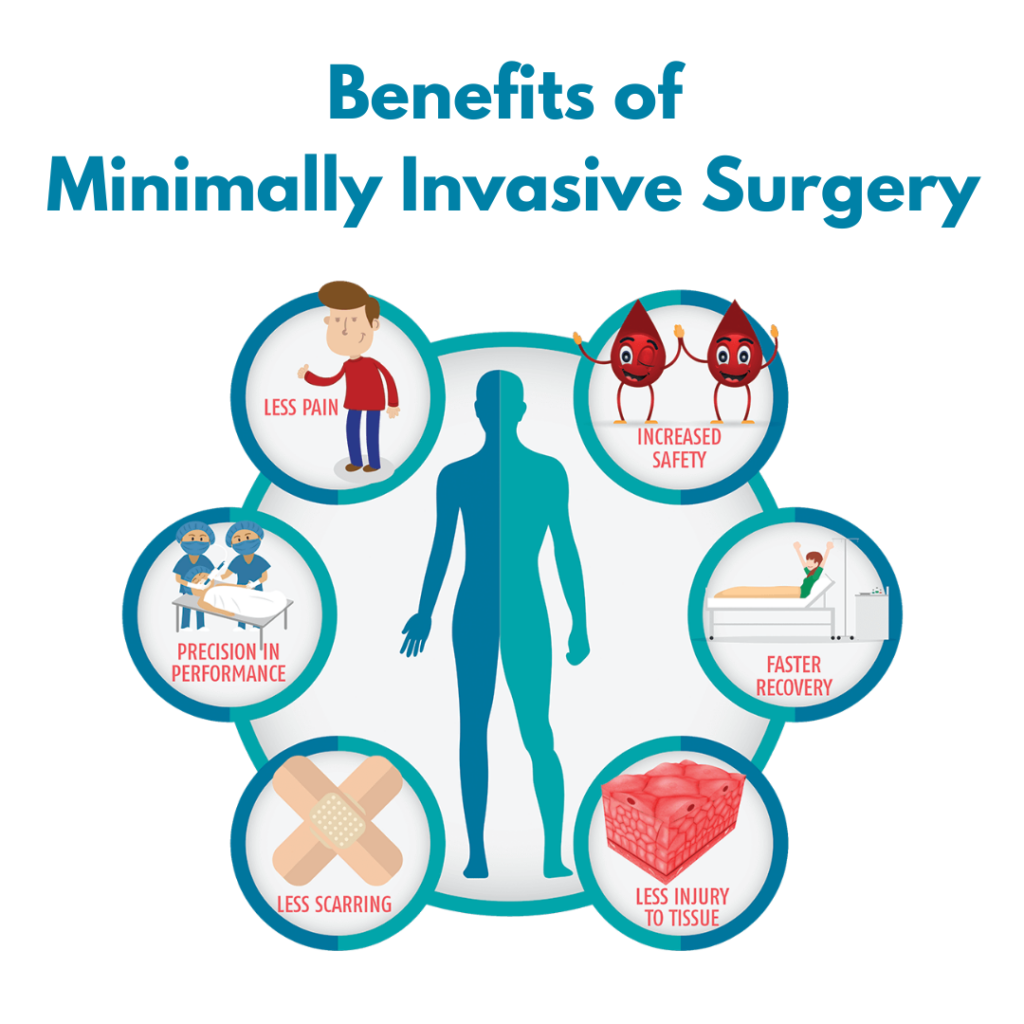
    1. Reduced Pain and Faster Recovery

    Patients experience less discomfort and can return to their routine sooner compared to open surgeries.

    2. Shorter Hospital Stays

    Minimally invasive procedures often allow discharge within a day or two, easing the burden on hospitals.

    3. Lower Risk of Complications

    Smaller incisions reduce the risk of infections and other post-operative issues.

    4. Cosmetic Advantages

    Minimal scarring is a major benefit for patients concerned about aesthetics.

    Common Applications in GI Surgery
    • Appendectomy (appendix removal)
    • Cholecystectomy (gallbladder removal)
    • Hernia Repair
    • Colorectal Surgery
    • Advanced Hepatopancreaticobiliary surgery
    • GI Oncology (Cancer surgery)
    • Bariatric Surgery for weight management
    Challenges and Considerations

    While the benefits are clear, MIS requires specialized training and advanced equipment. Access can be limited in remote areas, and the initial costs may be higher. However, shorter recovery times and reduced hospital stays often offset these expenses.

    The Future of GI Surgery in India

    With advancements in technology and increased surgeon training, MIS is becoming more accessible across India. Improved 3D visualization and robotic systems will further enhance precision and patient outcomes.

    Conclusion

    Minimally invasive GI surgeries are revolutionizing surgical care in India. By reducing pain, speeding up recovery, and improving outcomes, they are truly a game-changer for patients seeking better health and quality of life.