- Satyam Kapoor
- 0 Comments
By Dr. Rajesh Kapoor | GI & HPB Surgeon, Robotic Surgery Specialist, Max Hospital, Noida
Medically reviewed | Last updated: September 2026
If you’ve been having unexplained pain in the upper right side of your abdomen after meals — especially oily or fried food — you may be dealing with gallstones, one of the most common digestive problems seen in India today. As a GI and HPB surgeon with over three decades of experience treating gallbladder disease, I see patients every week who ignored early warning signs for months, sometimes years, before seeking help.
This guide covers everything you need to know: what gallstones are, why they form, the 5 warning signs you should never ignore, and when surgery becomes necessary.
Table of Contents
- What Are Gallstones?
- Why Do Gallstones Form?
- 5 Warning Signs You Shouldn’t Ignore
- How Are Gallstones Diagnosed?
- Do All Gallstones Need Surgery?
- Treatment Options
- When To See a Gastro Surgeon
- FAQs
What Are Gallstones?
Gallstones are hardened deposits that form inside the gallbladder — a small pear-shaped organ under your liver that stores bile, the fluid your body uses to digest fat. Stones form when bile contains too much cholesterol or bilirubin, or when the gallbladder doesn’t empty properly.
They can range from as tiny as a grain of sand to as large as a golf ball, and a person may have one large stone or dozens of small ones. According to the National Institute of Diabetes and Digestive and Kidney Diseases (NIDDK), gallstones are among the most common digestive disorders worldwide.

Why Do Gallstones Form? Common Causes and Risk Factors
Gallstones don’t have one single cause, but certain factors significantly raise your risk:
- Obesity and rapid weight loss — both increase cholesterol levels in bile
- A high-fat, high-cholesterol diet low in fibre
- Family history of gallstones
- Age over 40, and being female (hormonal factors, especially oestrogen)
- Diabetes and metabolic syndrome
- Pregnancy or long-term use of hormone therapy
- Sedentary lifestyle with little physical activity
- Prolonged fasting or skipping meals regularly
If several of these apply to you, it’s worth getting a routine abdominal ultrasound, even without symptoms.
5 Warning Signs of Gallstones You Shouldn't Ignore
Many people carry gallstones without knowing it — these are called “silent gallstones.” Trouble begins when a stone blocks a bile duct. Watch for:
- Sudden, intense pain in the upper right abdomen, often after a heavy or fatty meal — this is known as biliary colic and can last from 30 minutes to several hours.
- Pain radiating to the right shoulder or between the shoulder blades.
- Nausea and vomiting, frequently mistaken for acidity or gas.
- Bloating and indigestion, especially after fried or oily food.
- Fever, chills, or yellowing of the skin and eyes (jaundice) — these signal a more serious complication and need immediate medical attention.
If you experience the last symptom, don’t wait — this can indicate infection or a blocked bile duct requiring urgent care.

How Are Gallstones Diagnosed?
Diagnosis is usually straightforward:
- Abdominal ultrasound — the most common and reliable first test
- Blood tests to check liver function and rule out infection
- CT scan or MRCP in complex cases, to check the bile ducts and pancreas
Do All Gallstones Need Surgery?
Not necessarily. If gallstones are found incidentally and cause no symptoms, your doctor may simply monitor them. However, surgery is generally recommended when:
- You have recurring episodes of pain
- Stones have caused inflammation (cholecystitis), pancreatitis, or jaundice
- Stones are large or numerous, raising future complication risk
- You have underlying conditions like diabetes that make complications more dangerous
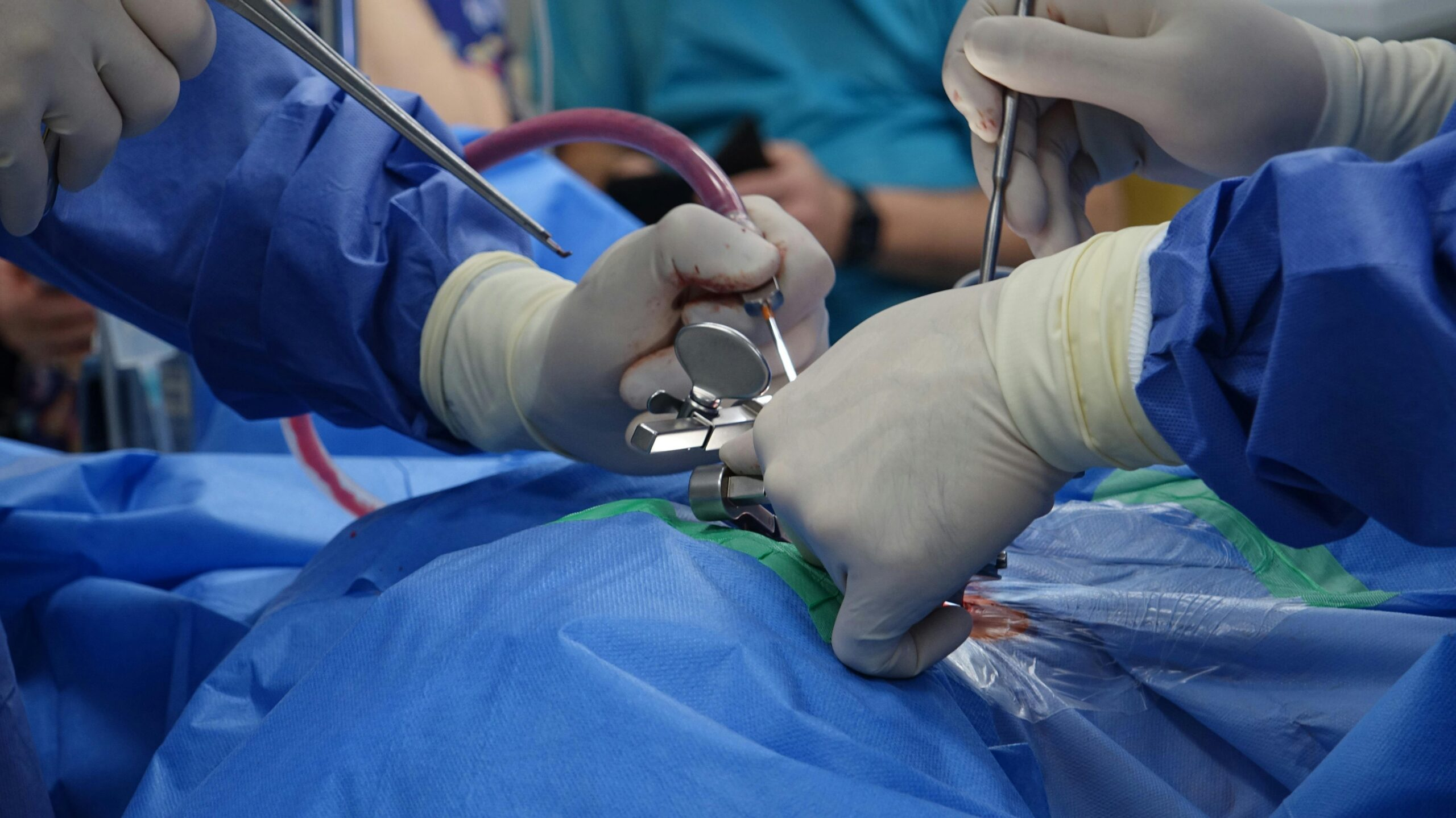
The gold-standard treatment for symptomatic gallstones is laparoscopic cholecystectomy — minimally invasive removal of the gallbladder through a few small incisions. Most patients go home within 24–48 hours and return to normal activity within a week.
For complex cases — large stones, prior surgeries, or additional bile duct involvement — robotic-assisted surgery offers greater precision, smaller incisions, and faster recovery, an area I specialise in at Max Hospital, Noida.
Importantly, living without a gallbladder does not affect digestion in any meaningful way for the vast majority of patients — the liver continues to produce bile, which flows directly into the intestine.

Book a consultation if you notice:
- Recurring abdominal pain after meals
- Pain that lasts more than a few hours
- Any yellowing of the skin or eyes
- Fever accompanying abdominal discomfort
Early diagnosis prevents complications and makes treatment simpler, safer, and faster.
Is gallbladder stone surgery safe? Yes. Laparoscopic cholecystectomy is one of the most commonly performed and safest surgeries worldwide, with a very low complication rate when done by an experienced surgical team.
Can gallstones be treated without surgery? Small cholesterol stones can sometimes be managed with medication or dietary changes, but this is slow, not always effective, and stones often recur. Surgery remains the definitive treatment for symptomatic gallstones.
How long is recovery after gallbladder removal? Most patients go home within 24–48 hours after laparoscopic surgery and resume normal activities, including work, within 7–10 days.
Does removing the gallbladder affect digestion long-term? No. The liver continues producing bile, which flows directly into the intestine. Most patients notice no long-term difference in digestion.
What foods should I avoid if I have gallstones? Fried foods, red meat, full-fat dairy, and processed snacks can trigger symptoms. A high-fibre, low-fat diet reduces the frequency of painful episodes while you await treatment.
About Dr. Rajesh Kapoor
Dr. Rajesh Kapoor is the Director and Head of the Department of GI & HPB Surgery, and Bariatric and Metabolic Surgery, at Max Hospital, Noida. With over 30 years of experience in advanced laparoscopic and robotic GI surgery, he has helped thousands of patients across India recover safely from gallbladder and digestive disorders.
Book an appointment: drrajeshkapoor.com | +91 9650900871
This article is for informational purposes only and is not a substitute for professional medical advice. Please consult a qualified doctor for diagnosis and treatment.