Robotic Surgery in Cancer Treatment: Benefits, Risks, and Recovery
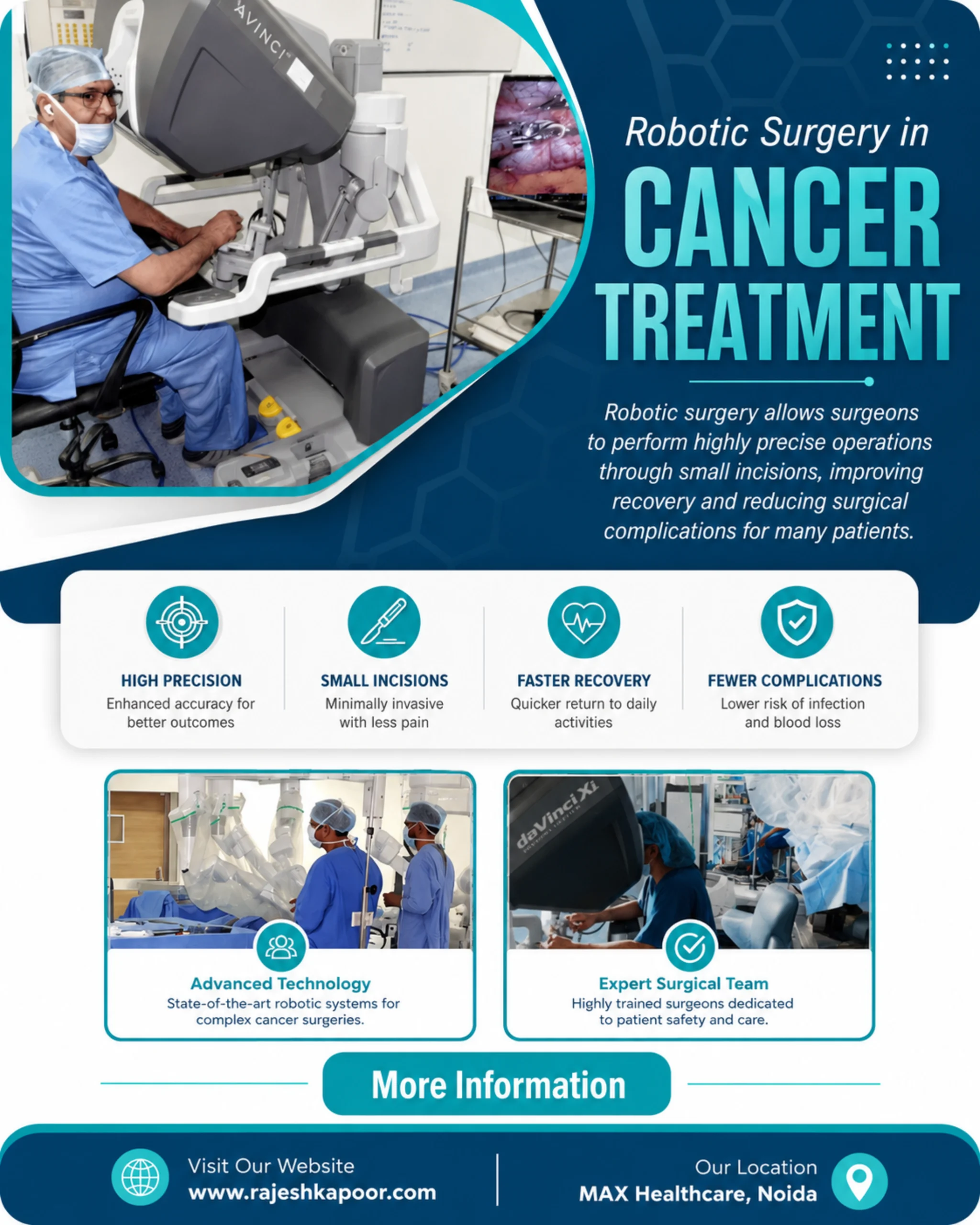
Cancer treatment has evolved rapidly with advancements in medical technology, and robotic-assisted surgery is now considered one of the most advanced approaches for treating gastrointestinal cancers. Unlike traditional open procedures, robotic surgery allows surgeons to perform highly precise operations through small incisions, improving recovery and reducing surgical complications for many patients.
Today, individuals searching for advanced GI cancer treatment often explore robotic-assisted procedures because of their accuracy, faster healing process, and improved patient comfort. Robotic techniques are widely used in the treatment of cancers involving the stomach, liver, pancreas, colon, rectum, and esophagus.
Understanding Robotic Surgery for GI Cancers
Robotic-assisted surgery is a minimally invasive technique where the surgeon operates using robotic instruments controlled from a specialized console. The robotic system provides enhanced precision, flexible instrument movement, and magnified three-dimensional visualization of internal organs.
During Digestive cancer surgery, robotic technology helps surgeons access difficult areas of the body with greater accuracy while minimizing trauma to surrounding healthy tissues. This advanced approach has significantly improved the way many complex gastrointestinal cancers are treated.
Patients consulting a skilled Gastrointestinal oncology specialist are often advised about robotic surgery when it offers better surgical control and improved recovery outcomes.
Benefits of Robotic Surgery in Cancer Treatment
One of the major advantages of robotic-assisted procedures is improved surgical precision. The robotic instruments can perform highly controlled movements, allowing surgeons to operate safely around delicate structures such as nerves, blood vessels, and organs.
For patients undergoing Advanced GI cancer surgery, this precision may improve tumor removal while preserving healthy tissue. In many cases, robotic surgery also helps reduce complications associated with traditional open surgeries.
Another important benefit is smaller surgical incisions. Unlike conventional surgery, which may require large cuts, robotic procedures use tiny incisions that generally result in less pain, reduced blood loss, and minimal scarring. Smaller incisions also decrease the risk of infections after surgery.
Patients undergoing Robotic GI cancer surgery often experience shorter hospital stays and quicker recovery compared to open surgery. Many individuals are able to return to light daily activities sooner, which can improve both physical and emotional recovery after cancer treatment.
Enhanced visualization is another significant advantage. The robotic system provides surgeons with high-definition magnified views of the surgical area, improving accuracy during complex procedures. This level of visualization is especially useful in cancers involving deep or narrow anatomical regions.
Conditions Commonly Treated with Robotic Surgery
Robotic-assisted techniques are increasingly used for several gastrointestinal cancers, including:
- Colon cancer
- Rectal cancer
- Stomach cancer
- Pancreatic cancer
- Liver tumors
- Esophageal cancer
The suitability of robotic surgery depends on the stage of cancer, tumor location, overall health condition, and previous medical history of the patient.
An experienced Gastrointestinal oncology specialist carefully evaluates every patient before recommending robotic-assisted treatment.
Risks and Limitations of Robotic Surgery
Although robotic surgery offers many benefits, it is important to understand that every surgical procedure carries certain risks. Possible complications may include infection, bleeding, anesthesia-related risks, or temporary digestive discomfort after surgery.
In some advanced cancer cases, traditional open surgery may still be required depending on the complexity of the condition. Robotic surgery is not automatically suitable for every patient, which is why proper diagnosis and medical evaluation are extremely important.
Choosing a highly experienced surgeon plays a major role in minimizing risks and ensuring safe treatment outcomes.
Recovery After Robotic GI Cancer Surgery
Recovery after robotic surgery is generally smoother because the procedure is minimally invasive. Most patients experience less post-operative discomfort and are encouraged to begin light movement soon after surgery to improve circulation and healing.
Patients recovering from GI cancer treatment are usually advised to follow dietary recommendations, maintain hydration, attend regular follow-up visits, and avoid excessive physical strain during the healing phase.
The recovery timeline may vary depending on the type of surgery and the patient’s overall health condition. Continuous monitoring after surgery is also essential for tracking recovery and preventing complications.
Importance of Early Diagnosis and Expert Care
Successful cancer treatment depends not only on advanced surgical technology but also on timely diagnosis and expert medical care. Early detection of gastrointestinal cancers often improves treatment outcomes and increases the effectiveness of minimally invasive procedures.
Patients considering Advanced GI cancer surgery should always seek care from specialists experienced in robotic and minimally invasive cancer procedures. A comprehensive treatment approach involving diagnosis, surgery, nutritional support, and long-term follow-up plays a crucial role in overall recovery.
Final Thoughts
Robotic-assisted procedures are transforming modern cancer care by providing greater surgical precision, faster recovery, reduced pain, and improved treatment outcomes for many gastrointestinal cancer patients. As technology continues to advance, robotic surgery is becoming an increasingly effective option for managing complex digestive system cancers.
Patients looking for advanced Digestive cancer surgery and specialized GI cancer treatment should consult an experienced surgeon to understand the most suitable treatment options based on their condition and overall health needs.
Dr. Rajesh Kapoor is a highly experienced specialist in gastrointestinal and robotic cancer surgeries, offering advanced treatment solutions for patients with complex digestive system cancers. As the Director and Head of GI & HPB Surgery and Bariatric & Metabolic Surgery at Max Hospital, Noida, he is known for his expertise in minimally invasive and robotic-assisted procedures focused on improving surgical precision, recovery outcomes, and long-term patient care.
Leave a Reply